
My hands were cold the first time I tried Boiled Chestnuts and I couldn’t believe how that gentle heat transformed the hard shell into something soft and rich. I slid into my kitchen and felt a wave of warmth just from the steam rising. The smell made me grin before I even grabbed a spoon. I knew then that these simple Boiled Chestnuts would stick with me. They felt like home.
Turning on the stove felt almost meditative. I put a handful of the Boiled Chestnuts into a pot, added water and a pinch of salt and watched the surface ripple. It was quiet except for the soft tick of a lid. Minutes passed slow and steady just like a slow simmer and I sat back remembering the first time I tasted that sweet flesh inside a tough shell.
I never planned to write about my journey with these nuts but once I saw the nutty aroma dance through my kitchen I was hooked. Boiled Chestnuts are easy but they hide a little culinary science trick that makes them taste great. From that first ladle of hot water I knew I wanted to share how heat shapes flavor. Let me walk you through how I learned to coax out that caramelization inside each nut by going low and slow with water just shy of a boil.
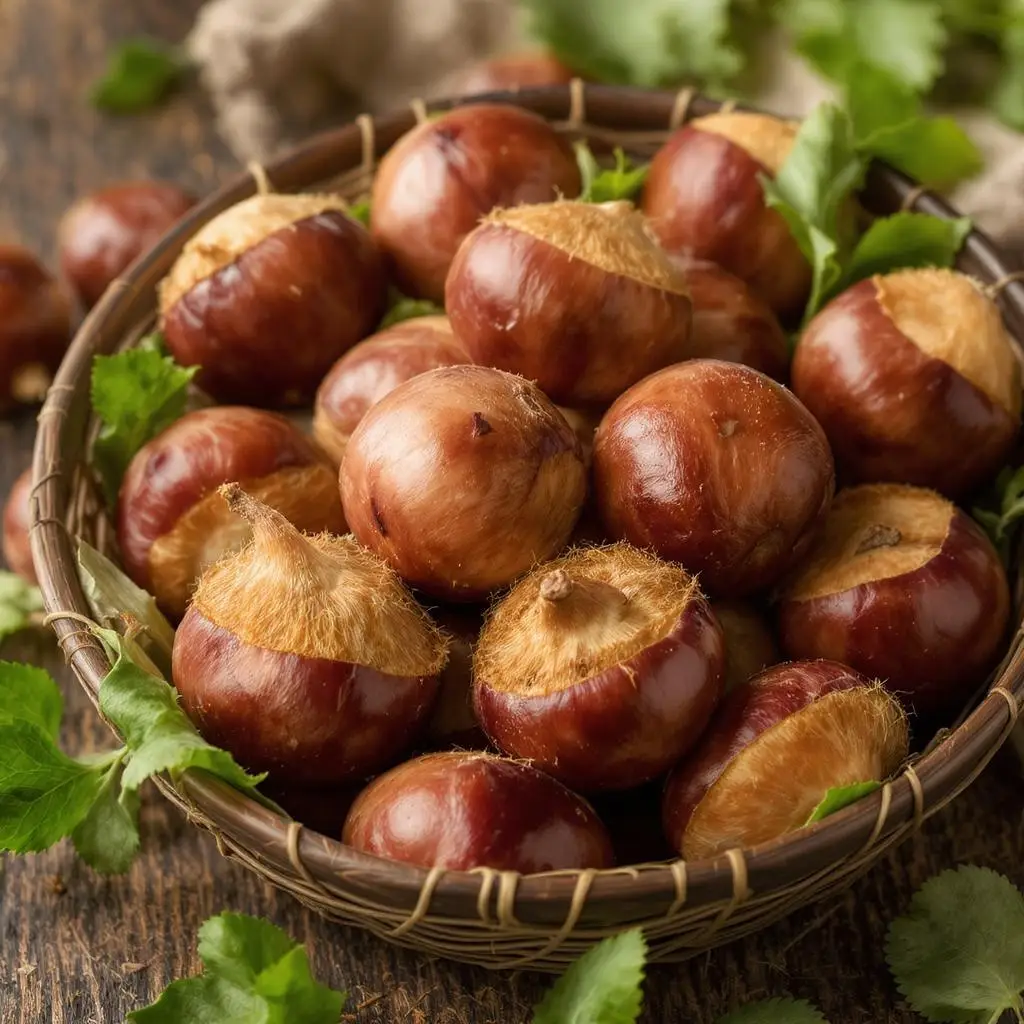
When Heat Meets Chestnuts in Plain Words
I always geek out when water creeps toward a simmer. It reminds me of a lab class where everything felt serious. For Boiled Chestnuts the big idea is that heat softens starches and turns them into sweet morsels. That sweet result comes from a kind of caramelization deep within the nut. The process might not be high flame searing but it still uses heat in a gentle way low and slow.
Even though we are not chasing a crust we still tap into principles like Maillard browning on any exposed ragged edge if you get the timing just right. And an odd thing I learned is that a protein rest can happen here too. Chestnuts have a bit of protein so giving them time after cooking helps them settle and firm up nicely. That means a bit of patience is needed once you lift the lid. Don’t rush the moment where the nut cools just a little before you peel and taste. The payoff is huge.
Stash these in Your Cupboard
- Chestnuts fresh or vacuum packed for easiest Boiled Chestnuts prep
- Salt a small pinch lifts the natural sweetness in Boiled Chestnuts
- Water filtered or tap works fine for boiling Boiled Chestnuts
- Baking Soda optional to help loosen skins when you peel Boiled Chestnuts
- Large Pot ideally one that holds enough water to fully cover the Boiled Chestnuts
- Slotted Spoon makes fish out boiled nuts easy without taking too much hot water
- Bowl of Ice Water for a quick cool down that helps set texture in Boiled Chestnuts
- Kitchen Towel to dry and lightly crush the shell before final peel of Boiled Chestnuts
These are the basic items I like to have around for any Boiled Chestnuts session. No fancy gear needed just some simple tools and pantry staples.
Prep Your Workstation
I clear a corner of the countertop and lay out everything I need before I even think about heat. I want my Boiled Chestnuts lined up so I never scramble once the water starts bubbling. I line a bowl with a kitchen towel to catch the cooked nuts. Then I fill a pot two thirds full with water and add that pinch of salt.
Next I score each nut with a small knife by cutting a shallow X on its rounded side. This break in the shell stops them from bursting once the water hits them. It also makes life so much easier when it comes time to peel. I set a timer on my phone for about twenty minutes but sometimes I let it go a bit longer to coax out more sweetness. That’s my call in the moment.
Wake Up Your Kitchen with That Aroma
Once the pot reaches a slow simmer you get a subtle nutty scent in the air. It isn’t too strong or sharp like roasting on high heat. It’s mellow and sweet like syrup just starting to bubble. That smell is the telltale sign I’m getting caramelization inside the shell from the slow rise in temperature.
At that point I lean in and take a breath. It calms me as much as coffee sometimes. The steam warms my face and makes me feel like I found a secret passage to comfort food central. Those boiled nuts are cooking their own kind of flavor story just under the surface of that water.
Check the Pot for a Mid Cook Peek
At about the ten minute mark I lift the lid and use my slotted spoon to fish out a test nut. I tap it gently and if I hear a small hollow sound I know it is half way there. The shell should slide open where I scored it earlier and the flesh inside looks pale golden inviting me in for a taste. That small check helps me tweak the time if the nuts came out too firm or too soft the last run.
Watching the water bubbles shift around the nuts is part of the ritual for me. I might stir gently just to ensure even heat distribution. That gentle mixing stops any chestnut from hiding in a cooler spot. It also spreads out that sweet essence across the batch. Then I clamp the lid back on and wait for the final stretch.
What the Thermometer Tells Me
I don’t always use one but I keep a probe thermometer handy for when I am really curious about the exact moment my Boiled Chestnuts hit perfection. I gently lower the tip into the water and promise myself not to push it into any single nut or shell. I want water temp readings not a punctured chestnut.
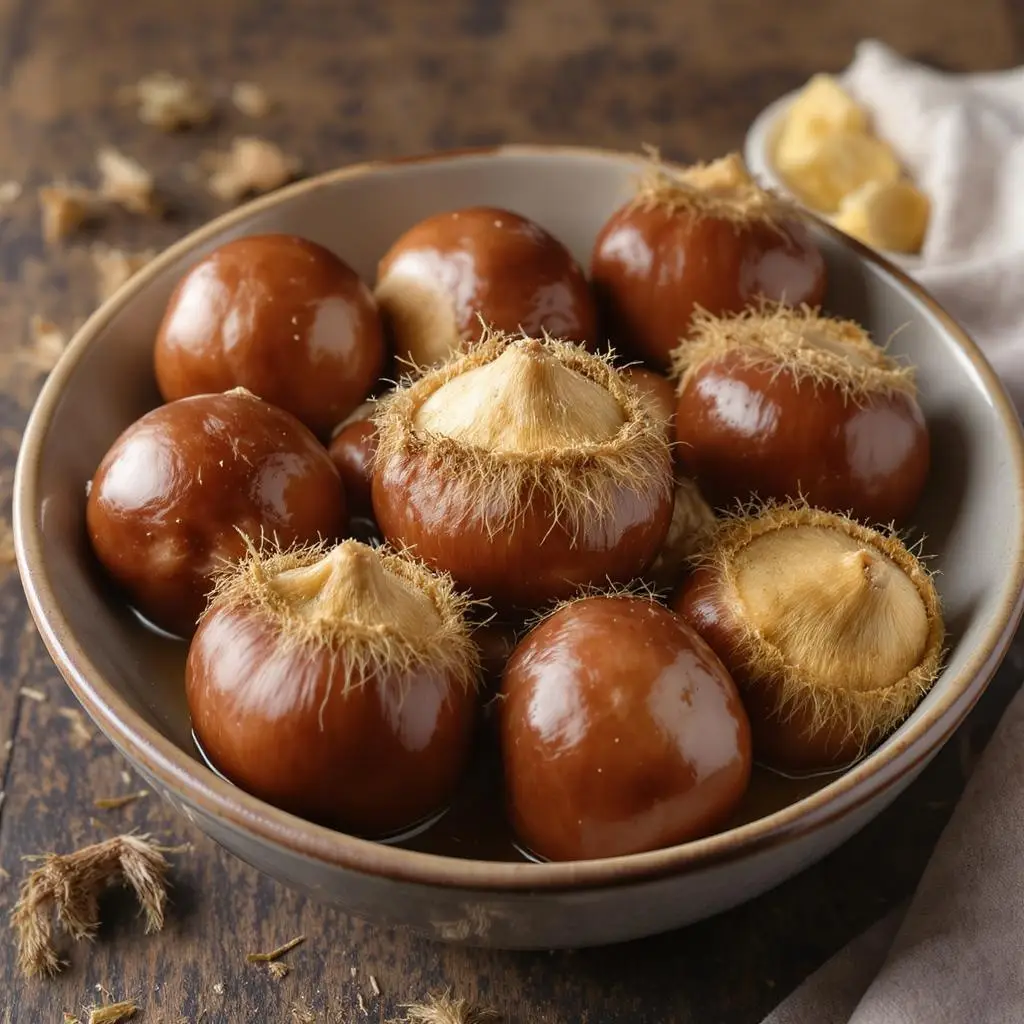
When I see something near one hundred degrees Celsius I know the starch inside the nuts is fully gelatinized. That gives me that sweet creamy texture I aim for. If I get creative I might drop the heat just a smidge below that to slow simmer harder and boost the caramelization in any nick where the shell cracked open. It is a small trick but it can yield a deeper flavor in my Boiled Chestnuts.
Serve with Style
I like to mound my hot Boiled Chestnuts in a bowl lined with a clean towel. The towel soaks up extra moisture and gives me a cozy presentation. I might sprinkle some flaky salt on top when they are piping hot. Sometimes I add a pat of butter to each nut so it melts right into that tender flesh.
If I am feeling a bit fancier I plate them on a wooden board and add fresh herbs like parsley or thyme around the edges. A little green brings out the warmth of the chestnuts. It also makes a striking contrast in pictures for my friend who loves snack shots on her phone. Presentation can be playful even with Boiled Chestnuts.
Next Day Goodness
If there are any Boiled Chestnuts leftover I pop them into the fridge the same day. They keep well for a couple days and the flavor actually deepens overnight. When I take them out I let them sit at room temperature for about fifteen minutes. That helps me avoid cold clumps and brings back the soft texture.
For a quick snack I toss them in a skillet without oil and give them a light toast for two or three minutes to revive some of that initial caramelization. It makes them taste freshly cooked even though they been in the fridge. You can also chop them and use them in salads or fold into pancake batter for a nutty twist. Leftovers don’t last long around here.
My Top Tips and Answers
1. Why do I score each Nut Scoring the shell helps steam escape so the Boiled Chestnuts do not crack open randomly and spill their soft center. It also makes peeling easier when I am hungry and impatient.
2. Can I add spices to the water Sure I sometimes drop in a cinnamon stick or a few peppercorns to infuse subtle notes. It does not change the basic texture but you get a flavor twist on those classic Boiled Chestnuts.
3. How long do I really cook them I aim for twenty to twenty five minutes but I might nudge it further if the nuts are bigger or come in really dense shells. Testing one around the ten minute mark gives me a good heads up on timing.
4. What if I overcook them Overcooked Boiled Chestnuts can turn a bit mealy or grainy. I fix this by draining them immediately and giving them an ice water bath. It stops the cooking and firms up the starch inside the nut. Then I warm them gently in a pan to refresh the texture.
5. How do I know they are fresh Fresh chestnuts feel heavy for their size and have glossy shells without cracks. If they rattle when you shake them they might be past their prime. Starting with great raw nuts is the key to fantastic Boiled Chestnuts every time.
Boiled Chestnuts are one of my favorite ways to show how simple heat transforms food. They remind me that sometimes low and slow can be as exciting as a high flame show. Master a gentle simmer and you have a snack that feels cozy yet full of surprises in each bite.
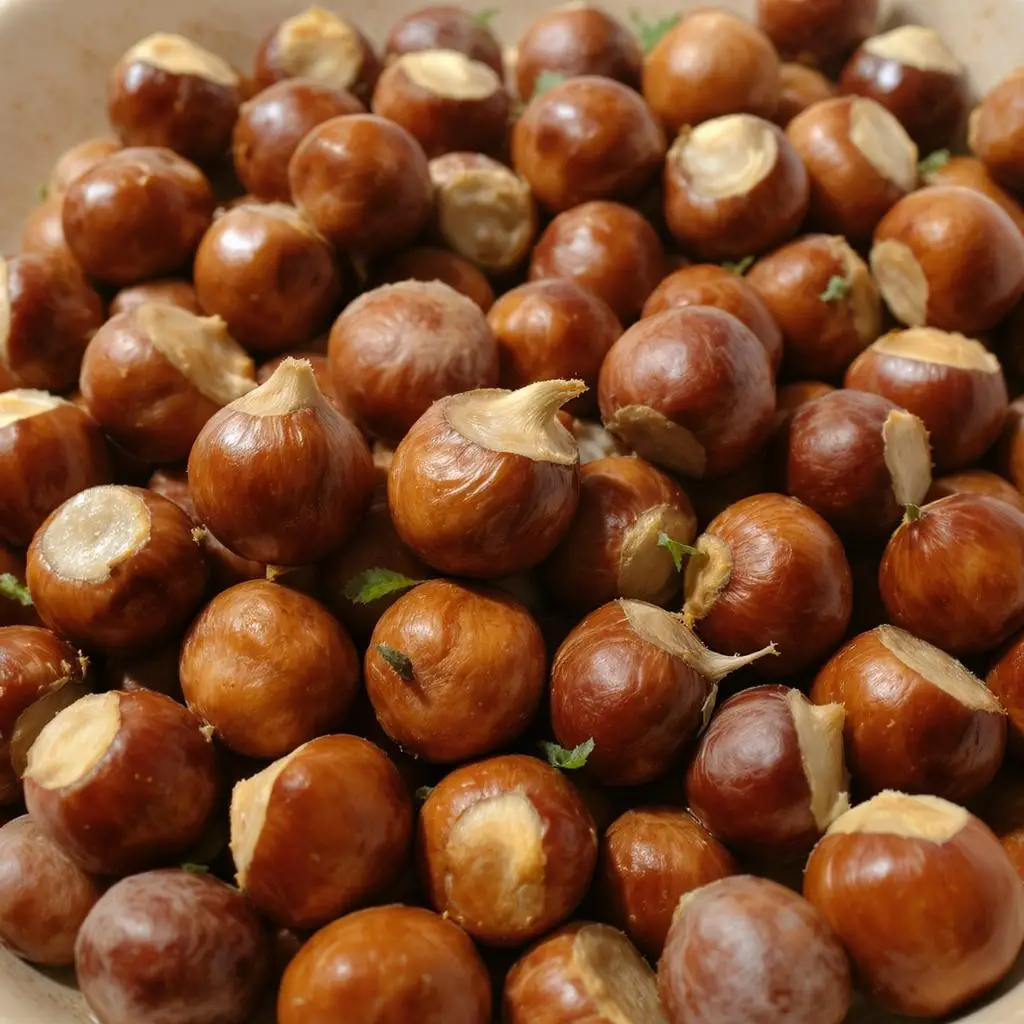
Boiled Chestnuts
Ingredients
Equipment
Method
- Using a small knife, carefully cut a shallow X into the flat side of each chestnut. This prevents them from bursting and makes peeling easier.
- Place the scored chestnuts in a saucepan. Add enough water to fully cover them (about 2 liters for 500g chestnuts).
- Add 1 teaspoon of salt to the saucepan.
- Bring the water to a boil over medium-high heat.
- Reduce the heat and let the chestnuts simmer for 30 minutes.
- After cooking, use a slotted spoon to remove the chestnuts and transfer them to a colander.
- While still warm, peel off the outer shells and the thin inner skin.
- Serve warm as a snack or use in other recipes.
- If all the shells don't come off easily, briefly return them to the hot water.
- Store leftover peeled chestnuts in an airtight container in the fridge for up to 3 days, or freeze for longer storage.