That moment you thought you nailed your coconut cake
You scoop flour sugar and coconut flakes mixing them fast but then you realize that your batter looked too thin to hold the shape you had in mind You thought your coconut cake was gonna be a dream but at that moment it looked more like soup Dang you felt a flop brewing in your mixing bowl
Then you thought man I got this but as you pour your batter into the pan it clings to the sides and it wont hit the right browning time to get good caramelization You wonder if the crumb wont set cause the protein set step might have been rushed now Your coconut cake dreams feel kinda shaky
You even slow simmer some extra coconut milk on the stove thinking that will save the day You sneak tastes hoping that thick cream will boost the texture but worry it may just water down things You stare at your creation wondering if this coconut cake will turn out dang good or just taste weird
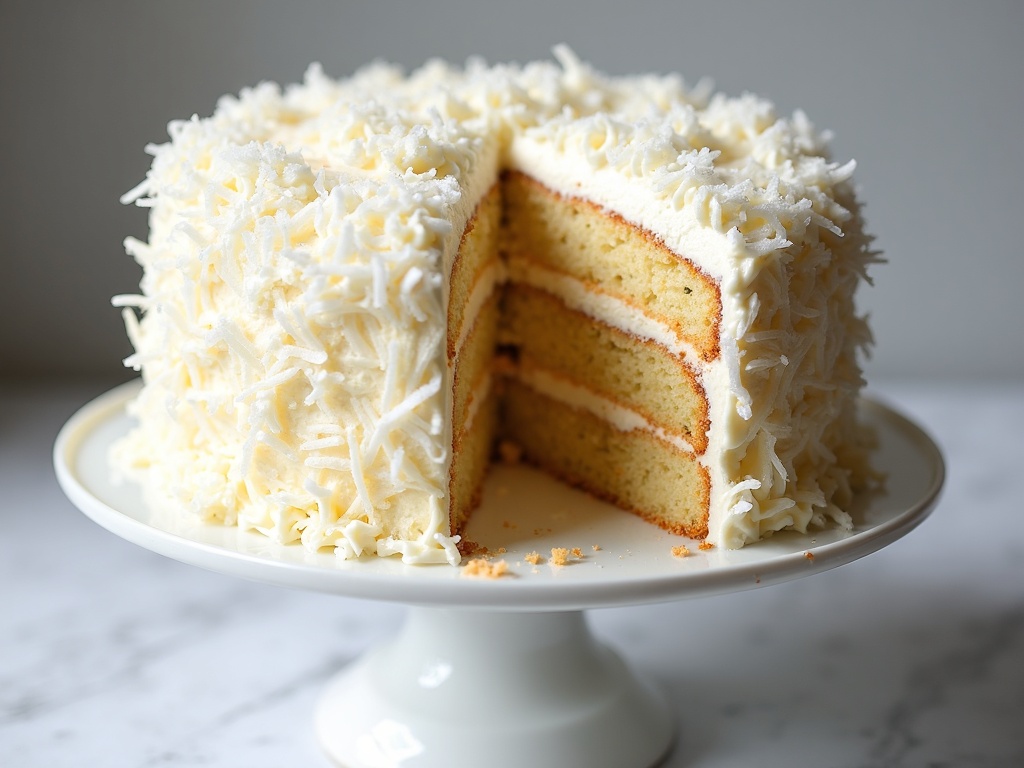
Why science makes your coconut cake rock
- When you let sugar heat up it undergoes caramelization making your coconut cake top golden crisp with extra sweet flavor that wows your taste buds
- Eggs give structure by the protein set process so your coconut cake holds together instead of falling apart on the counter
- Slow simmering coconut milk helps it kinda thicken and infuse the batter with extra coconut aroma for that tropical vibe in your coconut cake
- Using room temperature butter makes creaming easier creating tiny air pockets that lift your coconut cake crumb light and fluffy Heck it cuts down on uneven spots
- Leavening agents react with acid from yogurt or buttermilk giving more rise to your coconut cake making it taller and more tender
- Folding in shredded coconut gently keeps air in the batter avoiding overmix that can make your coconut cake dense and chewy
- Baking at steady heat activates the Maillard reaction so your coconut cake gets a deeper toasty color not just bland pale tone
What each ingredient does for your coconut cake
- All purpose flour brings structure through protein set giving your coconut cake enough crumb strength so it wont collapse under its own weight
- Sugar sweetens and helps with caramelization on surface adding golden color and hint of toffee to your coconut cake
- Eggs bind ingredients and set when heated locking air pockets in place so your coconut cake rises nice and holds shape
- Shredded coconut adds texture and punch of coconut flavor that sings when you bite into your coconut cake
- Butter tenderizes the crumb and creates steam pockets for a moist soft crumb so your coconut cake feels velvety on your tongue
- Coconut milk hydrates the batter and infuses more coconut flavor while slow simmer helps thicken it before mixing into your coconut cake
- Baking powder lifts the batter creating tiny gas pockets and makes your coconut cake nice and airy not heavy
Steps to get your coconut cake batter started
First you preheat your oven to the right temperature and grease your pan. You want heat ready so your coconut cake bakes evenly all the way through. Dont skip the step of sifting flour and baking powder together. Youll avoid lumps and get a smoother crumb on your coconut cake
Next you cream butter and sugar until light and fluffy. This step traps air for good rise Then beat eggs one at a time in the bowl adding vanilla extract Slowly you add warm coconut milk made by a slow simmer on your stove to blend in flavor for the coconut cake
Finally you gently fold your dry mix into the wet ingredients Dont overwork the batter or youll toughen it Instead you fold in shredded coconut with a spatula using long strokes This ensures a light airy texture that your coconut cake will thank you for
When you take that first bite of coconut cake
Your kitchen smelled like a tropical paradise as soon as you pulled your coconut cake from the oven The sugar top had that light brown sheen and you could almost taste caramelization before you cut into it Yall feel that rush of eager heat as you lift that first slice onto your plate
When you bite in your teeth sink into a soft tender crumb You feel that protein set gave it structure without drying it out The shredded coconut bits add a pleasant chew and the coconut milk slow simmer technique leaves a hint of creaminess in every mouthful Dang this coconut cake is the dang real deal
Finishing touches to bake your coconut cake just right
Once your batter is in the pan you slide it into the preheated oven Dont open the door for at least twenty minutes or you risk collapsing the rise Check around thirty minutes by sticking a toothpick in the center If it comes out clean with a few crumbs your coconut cake is done
Let the cake rest in the pan for ten minutes This helps the protein set and keeps it from falling apart Then carefully invert your coconut cake onto a cooling rack Dont skip this or the bottom might stick to the pan and tear
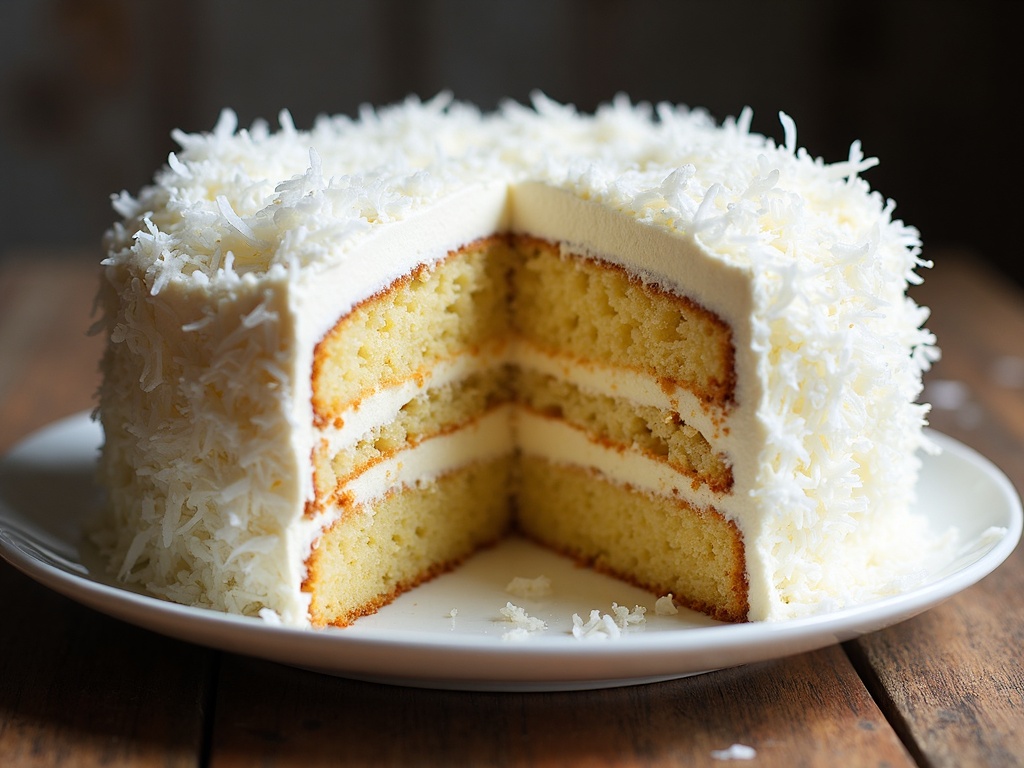
While your coconut cake cools you whip up a simple glaze or frosting Whip cream cheese or coconut frosting and spread it on top Then sprinkle extra shredded coconut You can chill it in the fridge so the frosting firms up and serves neater slices
Quick nerdy notes for coconut cake enthusiasts
Caramelization at the cake top starts around one hundred seventy five degrees Celsius and gives you that light brown crust Dont worry if it seems gentle at first cause that slow heat brings out sugars in coconut flakes too Its that tiny Maillard reaction effect kicks in to deepen flavor
Protein set happens when egg proteins denature and firm up giving structure Dont skip the rest period in pan heck its crucial so it sets right For best results measure flour by weight not volume and bring all cold ingredients to room temp before you start mixing your coconut cake batter
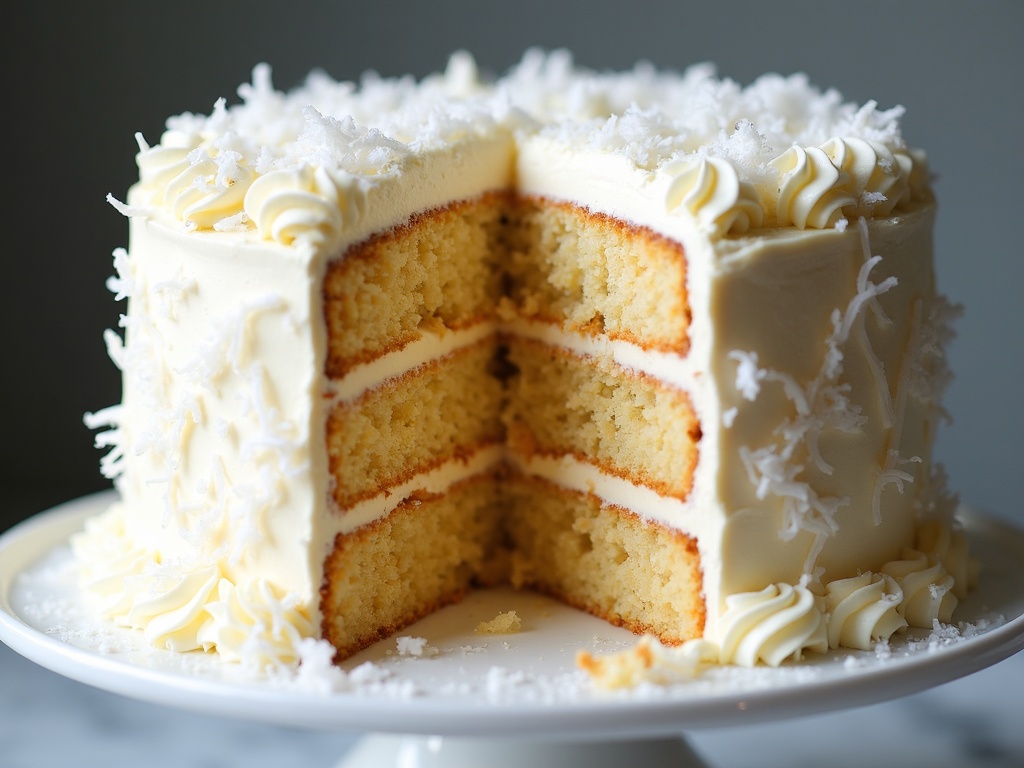
Easy plating ideas for your coconut cake
Place a slice of coconut cake on a clean white plate and add a few fresh berries or pineapple chunks for a splash of color A sprinkle of toasted coconut flakes boosts the texture and looks dang pretty You could also dust some powdered sugar on the side for a kinda elegant touch
Serve your coconut cake with a dollop of whipped cream or coconut cream If you wanna get fancy you can add a small mint sprig on top That slow simmer coconut milk frosting pairs great with a light fruit coulis You can get creative yall
Simple tweaks to make that coconut cake your own
If you want a tangy twist you can add some lime zest or fold in crushed pineapple before baking This little fruity add in brightens the coconut flavor and gives your coconut cake a tropical vibe For a deeper tone try swapping white sugar for a bit of brown sugar It boosts caramelization on top and adds deeper notes
For gluten free cooking you can use a blend of rice flour and coconut flour just adjust liquid levels Carefully mix so your batter stays moist If you need a vegan option try flax egg or applesauce as a binder youll still get that tender crumb Dont be afraid to adjust sweetness or spice to suit your taste buds
How to store leftover coconut cake so it stays fresh
You can keep your coconut cake at room temperature for a day if you cover it with an inverted bowl or use a cake keeper Its best to keep it away from heat or direct sun Refrigerate your coconut cake in an airtight container and it will stay moist and tasty for up to three days Dont let it dry out
For longer storage freeze individual slices First wrap each slice in plastic wrap and then in foil Place them in a freezer safe bag or container When you wanna eat let the coconut cake slices thaw in the fridge overnight then bring them to room temp for the best taste
Wrapping it up for your coconut cake success
Now you got the scoop on how science really drives every part of your coconut cake from that sweet caramelization on top to the protein set in the crumb You rocked the slow simmer coconut milk trick and you learned how to measure and mix like a pro Dont worry if you made a few mistakes because thats all part of the journey Experiment with little tweaks like adding fruit or spices and watch as your coconut cake always turns out dang good Share it with friends or your family so they can experience that coconut flavor too Yall deserve a treat that tastes like a mini vacay
Common science questions for your coconut cake
- How does caramelization add flavor When the sugar on top of your coconut cake heats above two hundred degrees Fahrenheit it browns and breaks down creating new flavor compounds This process gives your cake a deeper sweet taste with hints of toffee and nuttiness that you cant get from plain sugar
- What role does protein set play in cake texture Protein set happens when egg proteins heat and firm up locking air bubbles in place In your coconut cake this gives the crumb structure so it can rise and hold without collapsing Its the reason your cake isnt just a wet goo after baking
- Why do we slow simmer coconut milk before adding it Slow simmer gently evaporates water content making the coconut milk thicker and concentrating flavor This helps your coconut cake batter absorb more coconut aroma and gives a richer mouthfeel rather than a watered down texture in the crumb
- How does folding help with cake crumb Folding combines wet and dry ingredients with minimal air loss When you fold shredded coconut and flour mixture into your batter you keep those trapped air pockets intact That means your coconut cake stays light and airy not dense and heavy
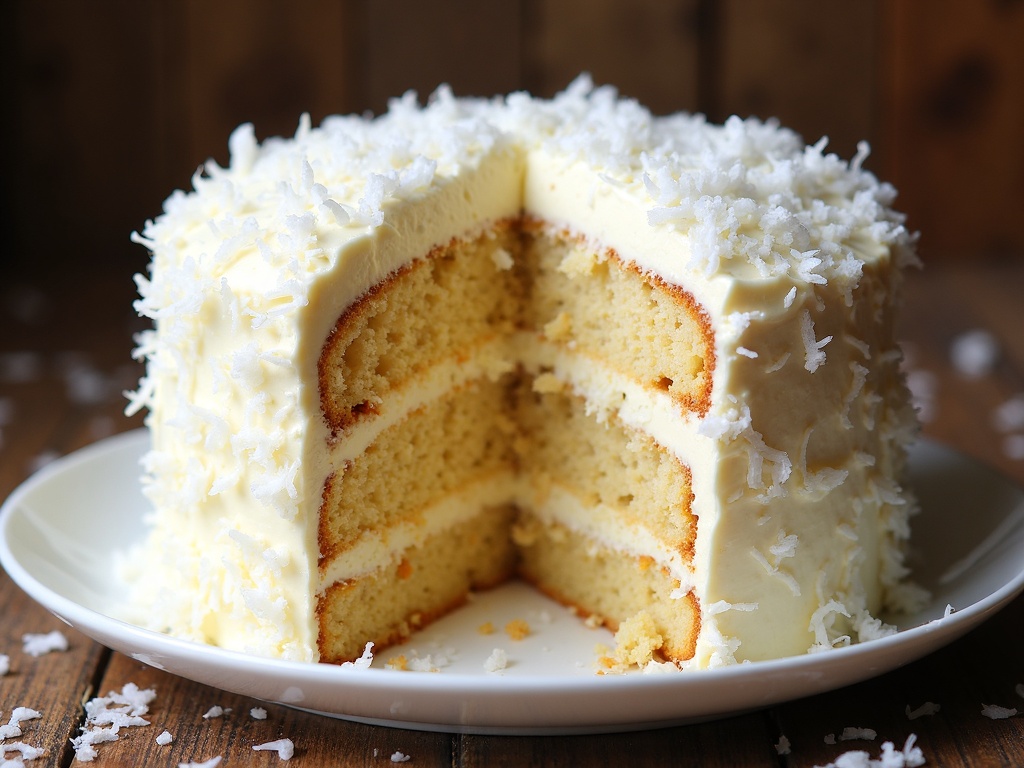
Coconut Cake
Ingredients
Equipment
Method
- Preheat the oven to 175°C (350°F). Grease and flour 2 round 8-inch cake pans.
- In a bowl, sift together the flour, baking powder, and salt. Set aside.
- In a large mixing bowl, beat the butter and sugar until light and fluffy, about 3-4 minutes.
- Add eggs one at a time, mixing well after each addition.
- Stir in vanilla extract.
- Add flour mixture in three parts, alternating with coconut milk, beginning and ending with flour. Mix until just combined.
- Gently fold in shredded coconut.
- Divide batter evenly between prepared pans. Smooth the tops.
- Bake for 25-30 minutes, or until a toothpick inserted into the center comes out clean.
- Let cakes cool in pans for 10 minutes, then turn them onto a cooling rack to cool completely.
- While cakes are cooling, make the frosting. In a bowl, beat the cream cheese and butter until smooth.
- Gradually add powdered sugar, mixing until combined. Add coconut milk and beat until creamy.
- Once the cakes are completely cool, spread frosting on top of the first layer. Place the second cake layer on top and frost the top and sides.
- Press remaining shredded coconut onto the top and sides of the cake for decoration.