Every time I grab a spoon to dive into cookie dough I remember my neighbor who is freaked out over how heat shapes that sweet snack. He will go on and on about Maillard browning and caramelization that wake up each golden edge once the cookie dough bakes in the oven. I half listen while my hands still mix butter and sugar and egg, and I admit those rants nudge me to think a bit harder about every single step.
That raw cookie dough feels creamy and soft but once you slide the tray under a burst of heat the air around you tastes like brown sugar and vanilla. The edges of each round start to crisp up just right after a low and slow protein rest in the fridge. It feels like there is a whole secret handshake between flour sugar egg and melted butter. That chemistry is the reason why every bite of cookie dough after baking can taste buttery chewy and warm right from the rack.
Turning up the heat for next level taste
I still laugh when my neighbor starts talking like he has an advanced degree in heat science. He insists that Maillard browning is what gives cookie dough its deep toasty notes once it hits the hot sheet pan. He even calls out how caramelization of the sugars happens right along the edge as the temperature climbs above two hundred degrees in the oven.
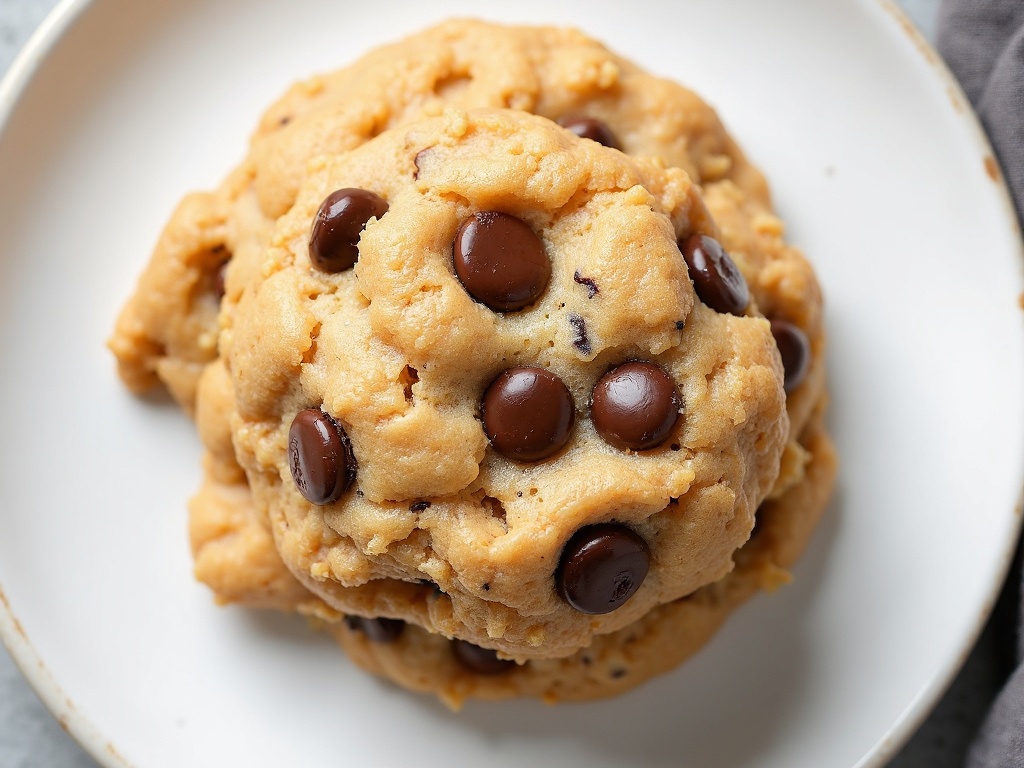
Sometimes he mentions we could do a slow simmer of melted butter and brown sugar on the stove first to boost that rich toffee aroma. I try it a few times, stirring gently until that honey colored syrup smells toasted, then let it rest before I fold that into my cookie dough. It changes the game because a little extra flavor builds up before you ever think of pushing the bake button on your oven.
Pantry roll call for the perfect batch
- All purpose flour – the canvas for the soft or crisp texture, it makes up most of the cookie dough body.
- Baking soda – a lift agent that gets busy under heat to lighten the crumb and add some spring.
- Salt – a pinch goes a long way to balance the sweetness and highlight how heat teases out hidden notes.
- Unsalted butter – allows me to control the salt ratio, I melt or cream it depending on whether I want a spread or a puff.
- Granulated sugar – that white sparkly stuff is key for crisp edges after the sugar does its caramelization act under heat.
- Brown sugar – packed with molasses it makes the cookie dough stay moist and soft once it cools down.
- Egg – brings structure while you wait for the protein rest phase in the fridge, preventing it from turning into just a pile of crumbs.
- Chocolate chips – classic mix ins but feel free to swap in chopped nuts or toffee bits for more caramelization fun.
Getting everything prepped just right
First I line up all my tools on the counter, making sure each bowl and spoon is ready for action. I call this my mise en place even though I sometimes forget a tool and have to run back into the sink area. You need a medium bowl for mixing your dry ingredients and another one for whisking butter sugar and egg. Clean spoons and spatulas cut down on stick and keep your cookie dough looking smooth.
My neighbor reminds me to give the melted butter a moment off the heat so it cools, and to stir the sugars until they are fully dissolved. Sometimes I even go the extra mile and do a slow simmer on low heat to coax out deeper caramelization in brown sugar, then let that syrupy mix head to the fridge for a quick protein rest. While it chills I sift my flour baking soda and salt together, so everything blends easier once I bring the bowls back to room temperature.
A moment for all those heavenly smells
When the cookie dough finally slides into the oven that first warm wave of scent hits me like a cozy blanket. The air carries notes of butter mingled with brown sugar and vanilla. I swear I can almost taste the caramelization that happens deep inside the sugar crystals as they slowly melt.
My neighbor will lean in and claim that is the signed proof of Maillard browning starting at the edges. The whole kitchen fills with that sweet gentle burn of toffee and the way my mouth waters reminds me why I love baking cookie dough from scratch in the first place.
Halfway check and quick adjust
I set my timer for eight minutes even though the recipe says ten because I always watch closely for the exact second the cookies hit that perfect peak. At the halfway point I crack the oven door and peek in. The center is still glossy but the rims are already turning just a hint of gold. That is when I sometimes rotate the pan top to bottom or front to back so each cookie bakes evenly under all that radiant heat.
If I notice one edge is too dark I might pull that side forward next time or drop the rack one notch lower. My neighbor would call that small tweak a micro adjustment in thermal distribution. I just call it a smart way to make sure my cookie dough stays tender in the middle while it crisps at the edges.
Little probes and tasty testing
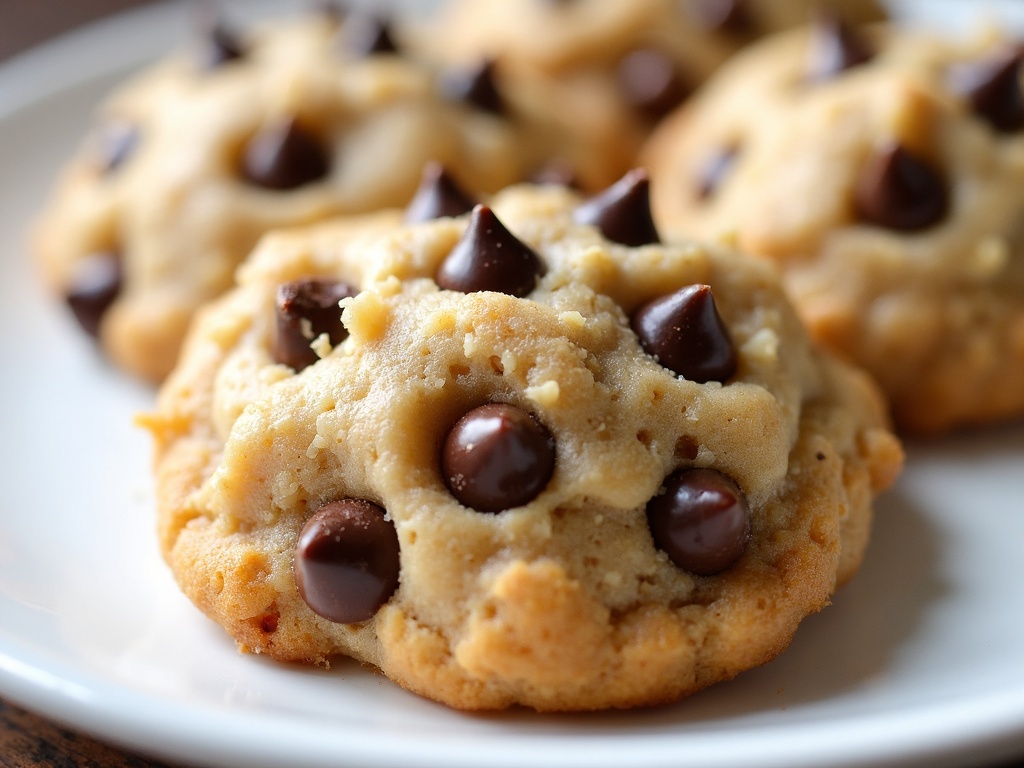
At eight minutes I slide one cookie free from the tray to test it. I look for a slight wobble in the center that means it will finish cooking on the hot pan itself once I pull it out. If it seems too jiggly I give it another half minute and trust the residual heat will do the rest. That is the beauty of letting things rest right on the sheet pan.
I sometimes stick a toothpick gently into the center to see if it comes out sticky or almost clean. That tells me if the cookie dough inside has set enough. A little moisture left on that stick means a soft chewy bite later, while a dry toothpick warns me the cookies may turn too firm once they cool completely.
Serving up those warm sweet rounds
I like to grab a cooling rack and let a few cookies rest for two minutes before I try to move them. That brief protein rest on the rack lets them hold shape and stops any unwanted flattening. Then I pop a few onto a plate, stacking them in a neat pile that shows off the soft centers and the crinkly edges where Maillard browning is happiest.
Sometimes I dust a little flaky salt on top right after they come out. The way each salty flake sits atop the golden ridge adds a gourmet flair. Then I tip the plate to catch a single chip that oozed melted goodness during the bake. It is like a final spotlight on the best parts of cookie dough gone hot and golden.
Saving extra dough for another day
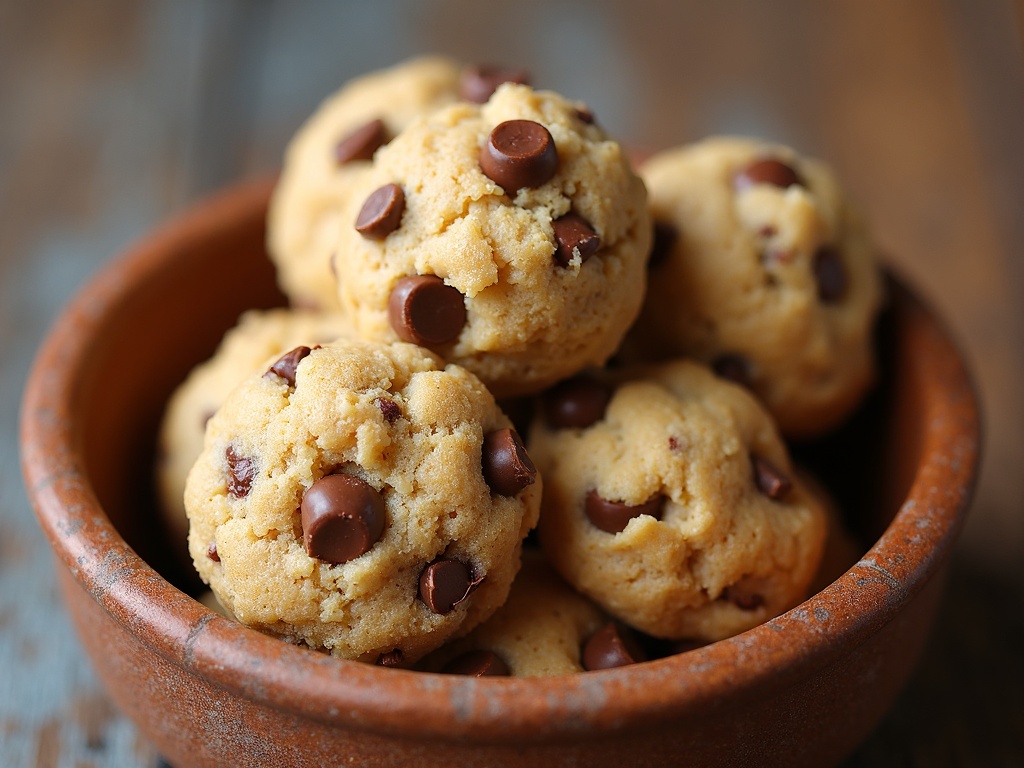
If I have leftover cookie dough I scoop it into little balls and freeze them on a tray for about an hour. Once they are firm I toss them into a zip top bag and label it. That means I can bake fresh cookies straight from the freezer, just add a minute or two of bake time and watch how the edges still caramelize while the centers bake through.
For raw cookie dough bites I sometimes stir in a spoon of peanut butter and a splash of milk then refrigerate for a snack I can eat safe without eggs. That bit of protein rest in the fridge helps the dough firm up so I can roll it into neat bite sized balls. It feels like a treat and a snack hack rolled into one without losing any of that cookie dough taste.
Key takeaways plus quick questions and answers
Baking cookie dough well means paying attention to that rise and fall of heat. Remember how Maillard browning changes your edges to golden brown while caramelization makes sugars pop with deeper toffee notes. Letting your dough rest after melting butter gives you a smoother mix and better texture. And a slow low simmer of sugars can take you deeper into that brown flavor zone if you are feeling adventurous.
Make sure when your timer hits halfway you rotate your pan or adjust racks to get that even oven time. Trust the process of protein rest before and after bake so your cookies stay soft in the middle and crisp at the edges. And never forget you can always freeze extra cookie dough to bake fresh batches another day, or whip up some safe to eat bites if you want a raw treat without eggs.
- Can I skip chilling the dough yes you could bake right away but expect more spread and a flatter shape cookie dough that lacks a chewy center.
- Why did my cookies get too dark likely the rack was too close to the heat source or the oven temperature ran high check your oven gauge next time.
- How do I make them extra chewy add a bit more brown sugar drop the bake time by thirty seconds or make sure to pull them when the center still jiggles a touch.
- Is it safe to eat raw cookie dough traditional raw dough carries egg so go with egg free safe bites if you want to taste that cookie dough without baking.
- What is low and slow about this recipe that is the little rest and the gentle simmer on the sugars it boosts deep flavor before any bake time begins.
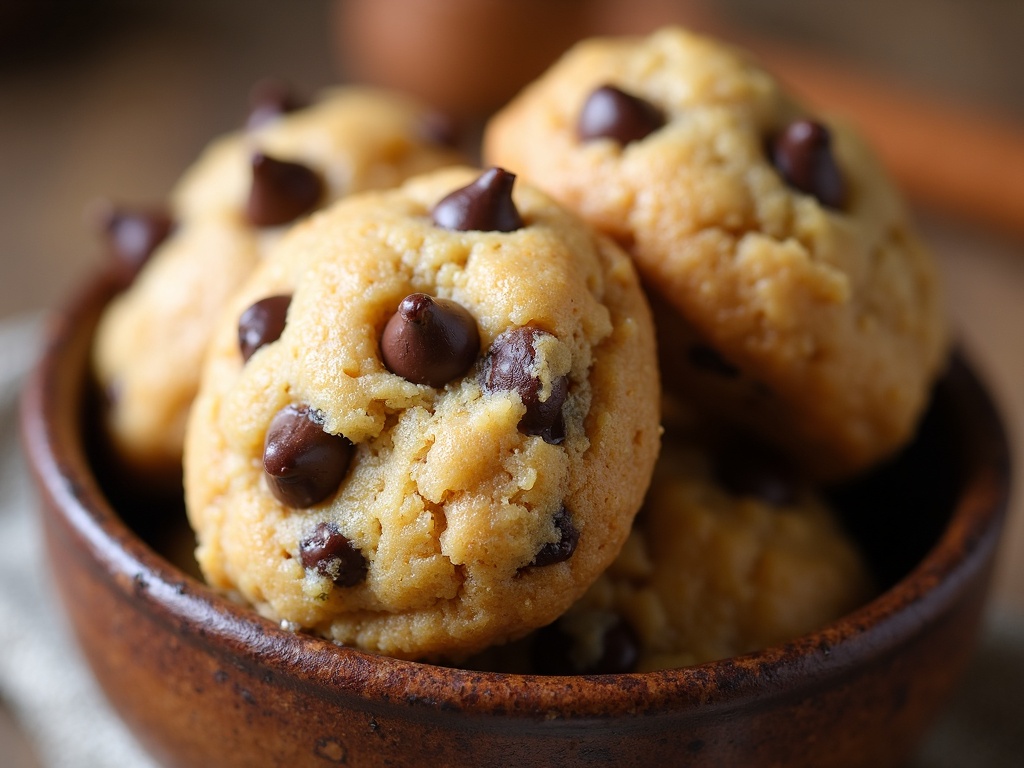
Cookie Dough
Ingredients
Equipment
Method
- Preheat your oven to 160°C (325°F) and spread the flour on a baking sheet to heat-treat it for 5 minutes. Cool the flour before using.
- In a medium mixing bowl, beat together the softened butter, brown sugar, and granulated sugar until creamy and smooth.
- Add the milk and vanilla extract to the mixture, stirring until fully combined.
- Mix in the cooled, heat-treated flour and salt, stirring until you have a smooth dough.
- Fold in the chocolate chips until evenly distributed.
- Serve immediately, or refrigerate for 30 minutes for a firmer texture.