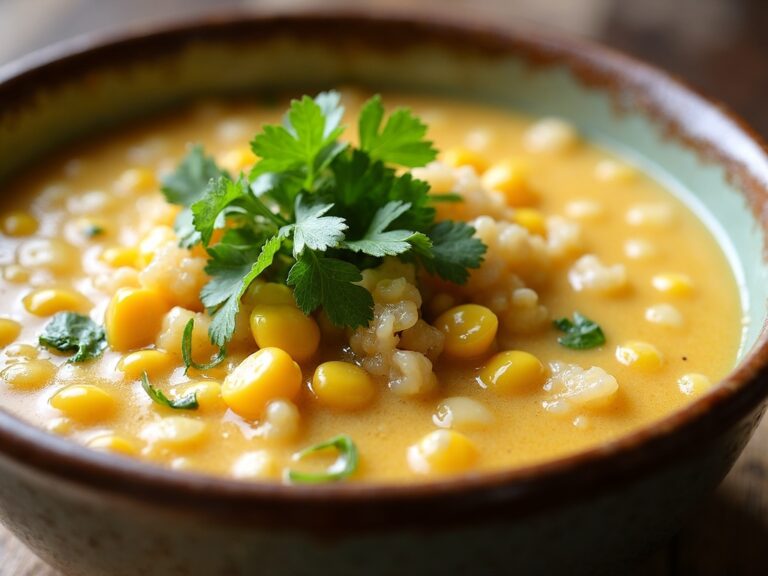
You grab a handful of elbow pasta and cheese cubes and chuck them into the slow cooker experimenting with dairy and starch mixing, looking for that tender chew and ooey goo quality you like. This was a heck of an experiment yall since you wanted a perfect melt without breaking down protein set or getting chalky starch lumps. Instead of stirring every five minutes you let it slip into slow simmer territory bringing starch gelatinization and some caramelization on cheesy edges gently at a low heat.
It was kinda wild to see how fat molecules and water bind with cheese protein molecules letting it melt smooth if you balance temperature just right. You might expect it to scorch against the pot but the slow consistent heat really wins at even melt if you leave the lid on and resist peeking too much.
That first bite was a total aha moment because the texture was velvety and the flavor was deep with hints of nutty browned cheese. You felt dang proud nerding out over that science making this crockpot mac and cheese feel like a real come up.
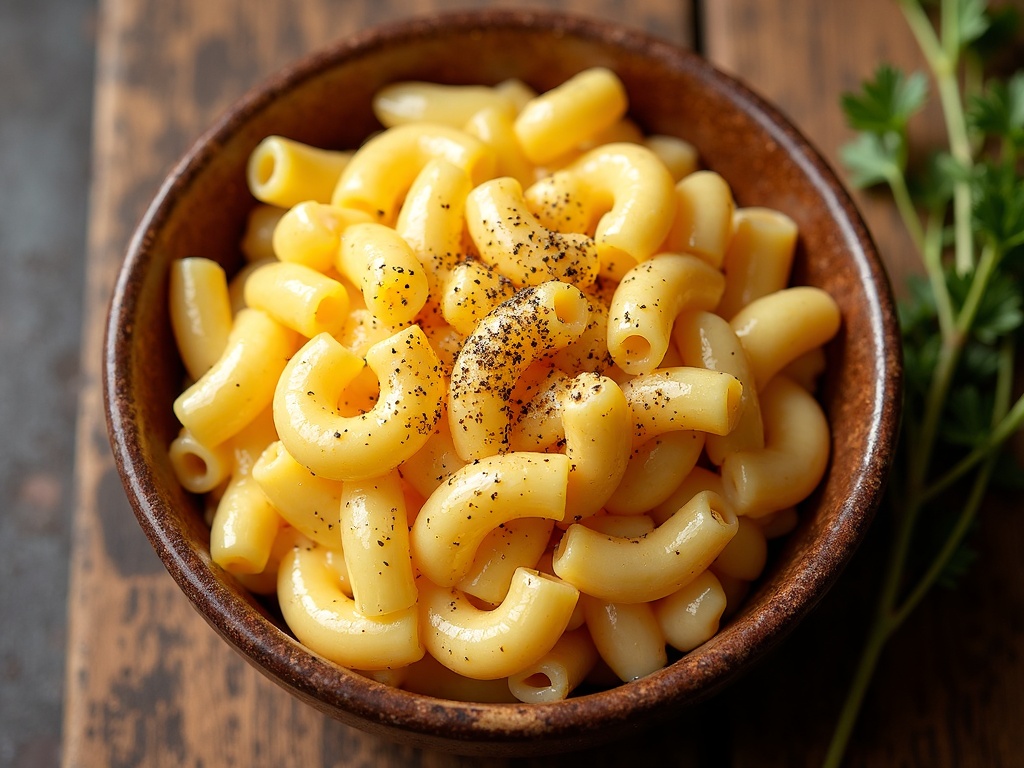
Flavor science takes the lead
- Emulsification of cheese and milk uses lecithin or starch to keep fat droplets suspended, giving a creamy texture without oil floating surface.
- Starch gelatinization happens when pasta cooks in liquid releasing amylose then thickens sauce around cheese bits.
- Protein coagulation from cheese heat sets structure gently so you dont get rubbery cheese clumps.
- Browning reaction inside crockpot walls shows mild caramelization, heightening nutty flavor notes without high direct heat.
- Slow simmer temperature keeps temperature stable around 85C, preventing rapid split and promoting even melt.
- Fat network in cheese mixes with water to form smooth mouthfeel if ratio of cream to cheese matches weight science.
- Minimal stirring reduces shear stress avoiding cheese proteins unwrapping too fast and curdling.
- Microwave or stovetop preheat of milk to around 50C helps dissolve powdered cheese evenly reducing grainy bits in final sauce.
- Acid mildly adjusting pH helps prevent casein from sticking yet too much lemon juice or vinegar will tang your cheese sauce hard.
- Adding grated nutmeg or garlic powder wont affect science but layers flavor complexity making each spoonful more interesting in sensory science.
Ingredient roles uncovered
- Elbow pasta absorbs sauce while swelling, triggering starch gelatinization that thickens sauce around cheese bits during slow simmer.
- Sharp cheddar cheese brings bold flavor compounds and melts into an even emulsion when heat and agitation hit protein network.
- Cream cheese adds body and acid to stabilize emulsion, smoothing out curd formation and improving cheese melt quality.
- Whole milk provides water for starch swelling and heat transfer, diluting cheese fat so sauce flows without splitting.
- Butter contributes additional fat to protect cheese proteins from overheating, boosting mouthfeel and buttery flavor notes.
- All purpose flour blends with melted butter to form a roux that thickens sauce and helps emulsify cheese fat.
- Dry mustard powder contains natural emulsifiers that help keep cheese proteins suspended in liquid, preventing greasy separation.
- Salt enhances savory amino acids in cheese, improving flavor depth and aiding water retention in pasta.
- Black pepper adds a mild bite that contrasts rich cheese fats and wakes up taste buds with little science twist.
- Panko crumbs toast crisp on top if you broil after slow cook, giving a crunchy contrast to creamy interior.
First steps to ready pot
Before you hit power button on crockpot you gotta prep right. First you measure and rinse pasta to remove extra starch. That prevents gluey texture later on. Then you grate cheese quick and keep it chill so melty bits dont clump before cooking.
At same time warm milk gently in microwave or small pot until just below simmer. That helps starch mash into sauce easier without shocking cheese chunks. You can whisk milk and cream cheese until silky smooth.
Next you mix flour and butter in a bowl till it feels like damp sand this creates a little roux. Youll stir that into milk showing how starch gelatinization can start early without heat too high. It may look odd but trust the process.
Finally you layer pasta then cheese and pour milk roux mix over gently so each elbow pasta piece gets sauce all around. Put lid on and set slow cooker at low for slow simmer action letting flavor science do its thing yall.
Taste test moment
You lift the lid after a few hours yall and get hit by a cloud of cheesy steam. You scoop out a forkful and the cheese strands stretch just right. The pasta is tender not mushy and the sauce clings to each bit.
That first bite tastes tangy from cream cheese twists and rich from cheddar breakdown. You savour the gooey texture and even a tiny bit of browned crust here or there. You nod at yourself feeling like a flavor scientist who nailed it after a slow simmer experiment.
It feels dang satisfying every time you pull out that spoon and taste the protein set and starch balance at work in each mouthful.

Keeping heat under control
After you set the crockpot on low you dont wanna fiddle too much with the lid. Every time you peel lid off you drop temperature by like ten C messing with your slow simmer pattern. So resist temptation and trust starch gelatinization going strong under that closed environment.
About halfway through give it one quick stir with a spatula scraping bottom maybe once you see a little cheese sticking. That limited stir helps distribute heat and breaks up small clumps letting melted cheese network form evenly. Dont overdo or youll break the emulsion and get greasy spots.
If you peek and see surface looking slightly dry drop in a splash of milk to adjust sauce consistency. A tiny bit of extra liquid wont hurt that emulsification is quite forgiving at low heat. Then pop it back covered for rest of cook so fat and water bind with protein set before you serve that luscious crockpot mac and cheese.
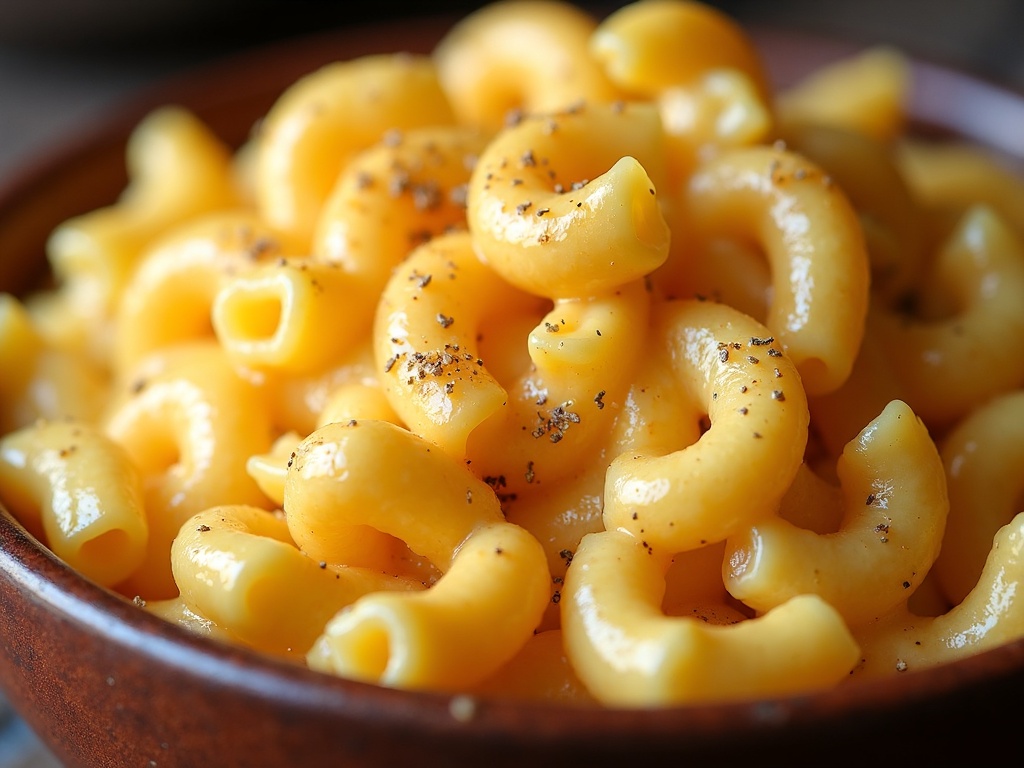
Science handy hints
You might wonder how temperature number and time interact. If your slow cooker runs hot on high you can drop cook time to about three hours. On low it may go four to five hours. That range still gives starch gelatinization and protein set without risking breakdown of cheese molecules.
Using pre grated cheese can introduce starch coating that prevents clumping but youll lose fresh flavor oils so its a trade off. If you prefer extra creaminess add a dollop of sour cream after two hours that can bump emulsion stability. And tiny pinch of xanthan gum adds more viscosity without flavor change for that clingy sauce effect. Just start with one eighth teaspoon and test before adjusting upward.
Easy serving style
Serve this cheesy goodness straight in the crockpot or scoop into shallow bowls then garnish with fresh herbs like chopped chives or parsley for color pop. That green contrast also brings some fresh flavor that cuts through the rich sauce a bit making each spoonful more interesting and bright. You can even sprinkle shaved parmesan on top before serving so it melts just slightly for added texture.
You also can top with crispy ham bits or crumbled bacon at serving time so each bite gets a salty crunch. Pair with plain steamed broccoli or green beans on the side to give some texture balance. Its a casual dish so feel free to let folks add hot sauce or chili flakes to kick up the heat or sprinkle smoked paprika for an earthy note.
Custom twist options
If you dig a lighter version swap half and half for whole milk then stir in some pureed cauliflower to thin sauce naturally without skimping on creaminess. The starch from cauliflower blends into gelatinization process and gives more volume without flavor overload.
For added protein you can mix in diced cooked chicken or sausage in last thirty minutes such that heat brings them up to temperature without drying out. That protein addition works with cheese fat network so you still get creamy sauce coating each piece nicely.
If you crave spice drop in chili flakes or sliced jalapeno early on to infuse sauce. The capsaicin dissolves into fat and water so each bite carries a gentle kick. Youll be geeking out over how molecules spread flavor uniformly rather than only tasting spice on top.
Leftover handling tips
Once youve devoured most leave leftovers in an airtight container while sauce is still warm then cool at room temp for about thirty minutes before refrigerating. This prevents condensation messing with texture and helps maintain that creamy balance without water pooling at bottom.
Stored properly in fridge you get about three to four days to enjoy. When reheating use microwave at medium power in short bursts or rewarm on stove in a small pan with splash of milk stirring gently. That gentle reheating helps avoid cheese or protein set becoming rubbery. If you froze portions wrap tightly and freeze up to one month. Thaw overnight in fridge then reheat same as fresh for best loose cheese emulsion.
Summing it all up
By now you see how controlling heat, time, and ingredient roles leads to a dang reliable crockpot mac and cheese each time. You learned about protein set temperature, starch gelatinization points, and how emulsification holds sauce together under slow simmer. That science talk may seem extra but it gives you consistency in flavor and texture so you dont hit flop moments on dinner night.
Youll impress friends with smooth sauce and crumbly topper or crunchy extras if you broil. It feels great when you treat cooking like a lab experiment yet end up with a super comforting dish that folks devour. That final cheesy bite will make you grin at your flavor science skills yall.
Culinary science questions answered
- Why is slow simmer important for emulsion stability
Slow simmer keeps temperature below cheese proteins maximum denaturation point so proteins uncoil just enough to bind fat and water molecules without rushing out causing split. You get smooth sauce not broken skim. High heat blasts proteins making them tough while low controlled heat gives that silky consistency yall.
- How does starch gelatinization thicken sauce
When you cook pasta in liquid starch granules absorb water then swell releasing amylose and amylopectin inside sauce. Those polysaccharides trap water in network thickening sauce around cheese. Thats why you dont drain pasta just let it soak up sauce for best cling factor.
- What causes cheese to separate and how avoid it
Cheese splits when fat pools away from protein matrix under high heat shock. You avoid that by warming dairy gently, adding emulsifiers like mustard powder or flour, and keeping temperature steady so fat globs stay suspended in protein network giving smooth sauce.
- When should you add cheese to avoid clumping
You add cheese after liquid warms to about fifty five C but before liquid reaches simmer so proteins wont shock. That temp is where emulsifiers and starch work together binding water and fat. Adding cheese bits too early or at high heat gives you unappetizing clumps rather than a long stretchy melt.
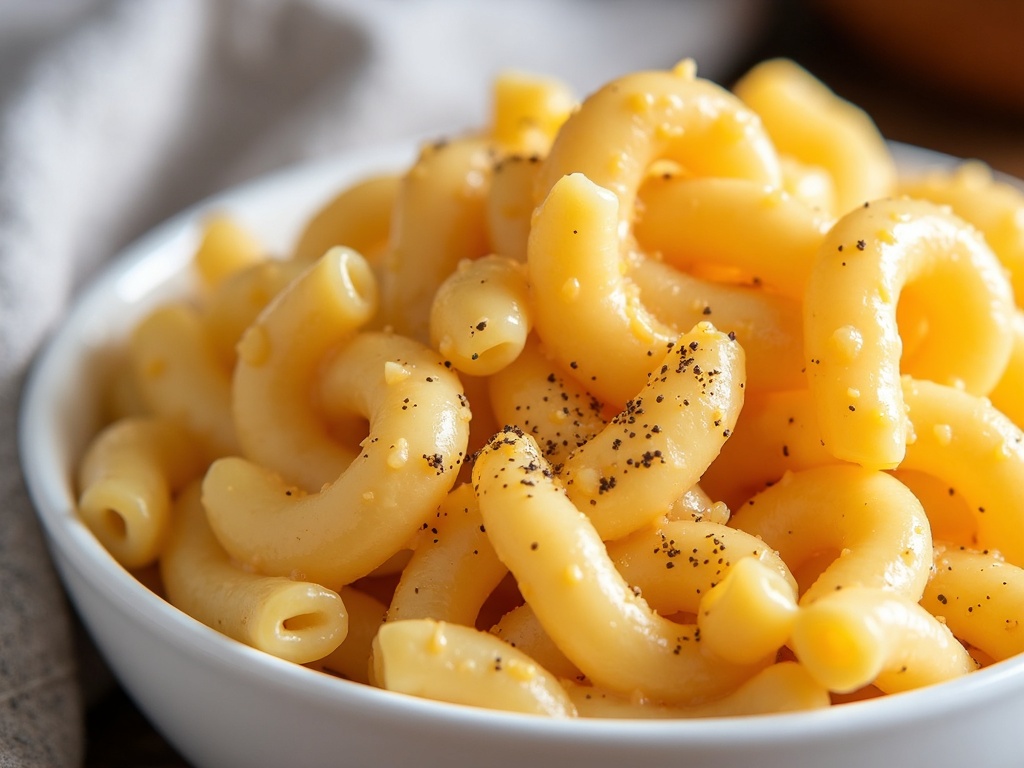
Crockpot Mac And Cheese
Ingredients
Equipment
Method
- Spray the inside of your Crockpot with non-stick cooking spray or lightly grease it with butter.
- Add the uncooked elbow macaroni to the Crockpot.
- Sprinkle the shredded cheddar and mozzarella cheese evenly over the macaroni.
- Add the cubed cream cheese.
- Pour in the whole milk and evaporated milk.
- Add the melted butter, Dijon mustard, salt, black pepper, and garlic powder.
- Stir all the ingredients together until well combined.
- Cover the Crockpot with the lid. Set it on LOW and cook for 2 hours.
- At the 1-hour mark, give everything a gentle stir to ensure even cooking and prevent sticking.
- Check for doneness at 2 hours. The pasta should be tender and the cheese sauce creamy. If the pasta is not tender enough or the sauce is too runny, cook for an additional 15–30 minutes, checking every 10 minutes.
- Once done, give a final stir, then serve hot.