It was a total spill and grill of ideas when I tipped over my glass of lemon water all over my old recipe notes. That wet patch on the paper looked almost like the microscopic bubbles you see during a slow simmer in a pot. I stared for a minute and thought dang maybe there is more to this simple sip than I ever guessed.
Later that afternoon I squeezed fresh lemon into another glass and gave it a stir. The bright zing hit my tongue just right and I felt like I cracked some secret code of taste. No crazy caramelization trick or protein set voodoo needed here it was just citrus meeting water to make a neat fusion.
By the time I finished that second glass I knew I had to share what I learned about balance texture and that little citrus spark. This lemon water routine might look basic but I swear it packs a punch when you get the ratios right and mind the science behind every drop.
Why citrus science wins every time
- The acid in lemon water lowers pH level just enough to create a mildly hostile zone for some bacteria while still being safe and refreshing.
- Citrus oils are fat soluble but water extracts a few compounds when you give it a gentle stir so you get more flavor punch per sip.
- Hydrogen bonding in water helps carry lemon juice around your mouth so taste receptors on your tongue get a more even citrus hit.
- Osmosis from the lemon cell walls releases tiny flavonoids making that profile taste kinda round and bright rather than flat.
- Cold brew infusion works if you give it enough time, or you can boost extraction speed by heating up water first.
- Maintaining a cool glass helps slow volatile aroma loss so the fresh zing stays where it belongs in your glass not fading into thin air.
- Serving temperature tweak is real food science none of it is mysterious it is all about thermodynamics of lemon oil evaporation.
What each ingredient actually does
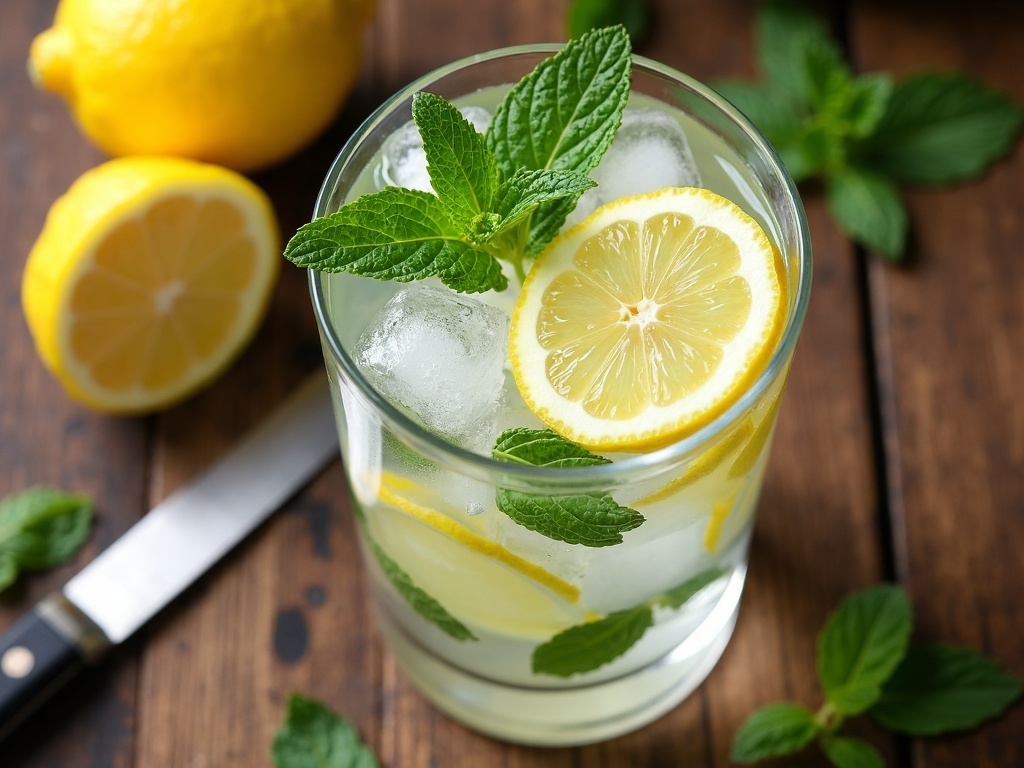
- Fresh lemon wedges supply citric acid natural antioxidants and aromatic oils that float on top of lemon water bringing that signature zing to every sip.
- Filtered water acts as the solvent that dissolves sugars and acids while carrying those citrus flavors right into your hydration stream.
- Optional sweetener like honey or agave rounds out acidity making the sip smoother without overpowering the bright lemon notes.
- A sprig of mint or slice of ginger adds extra aroma and slight cooling effect right to the finished drink for a fancy vibe.
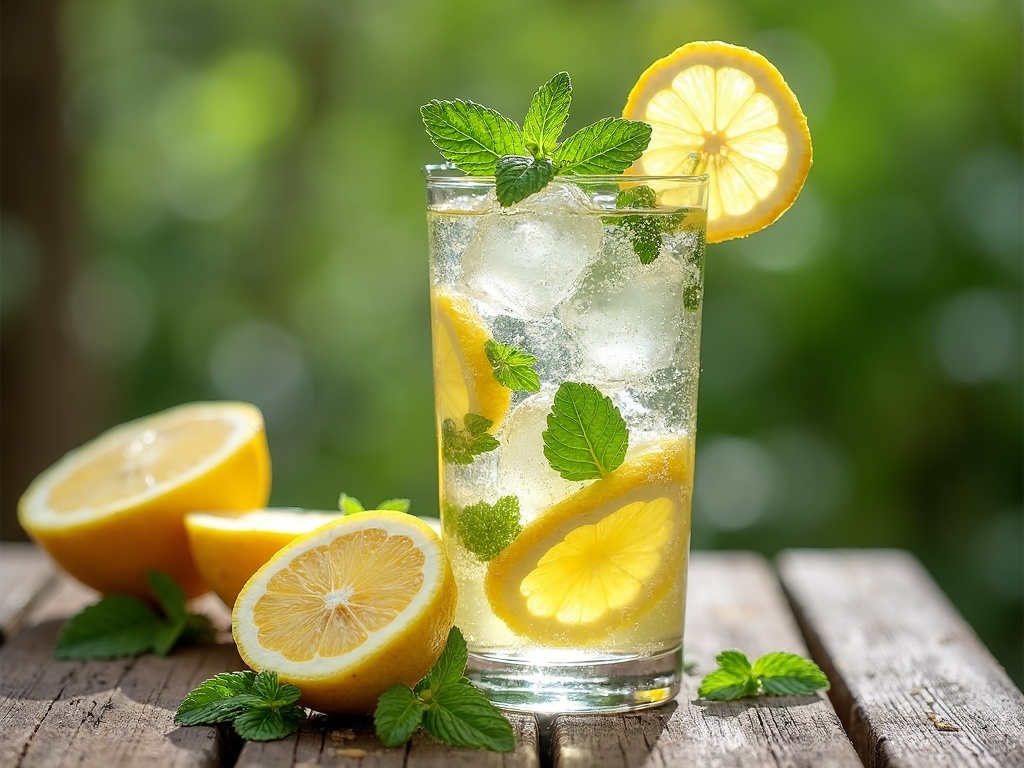
- Ice cubes keep the lemonade style chill and slow down aroma loss so you can savor each icy gulp just a little longer.
- Glass pitcher or jar gives room for infusing flavors gently so nothing feels cramped and every component can mingle without fuss.
First steps to get things rolling
Begin with clean hands and a fresh lemon that feels heavy for its size which means it is full of juice. Rinse that lemon to wash off any residue from the peel.
Cut the lemon into wedges or thin rounds using a sharp knife this step helps you get more juice per fruit and makes zesting a breeze if you want extra oils.
Grab a pitcher or big glass jar and add your lemon pieces water and if you like a tad of sweetener stir it until it mostly dissolves in the solution.
Cover and let it sit at room temperature for at least thirty minutes for cold infusion or gently warm on very low heat then cool before serving.
Your first sip breakdown
You lift the glass and get hit with a fresh bright aroma that wakes up your senses. The first sip tastes lively yet smooth no crazy sour punch just a balanced citrus hug.
The mild sweetness from a drizzle of honey shows up after the acidity settles in your mouth. It feels kinda like a gentle wake up call for your taste buds.
Heat and timing hacks that matter
If you choose to heat your lemon water a trick is to bring it barely to a slow simmer then remove from heat right away. That keeps volatile oils from escaping too fast.
Let hot water cool down a bit before you drop in your lemons this avoids cooking the rind which can add bitter flavors you dont want roaming around.
Allow three to five minutes for infusion in warm water if you need a quicker brew or up to two hours in cold for a mellow steep more like cold brew tea.
Stir occasionally during infusion this encourages contact between water and lemon surfaces improving extraction without stressing the texture of the rind.
Little tips for your home lab
Always taste test after each tweak because a tiny squeeze more lemon can shift the whole balance quite a bit. That is flavor science speaking right there.
Use glass not plastic bottles storing in plastic can leach unwanted flavors and mess up your infusion profile over time.
Think about the temperature gradient in your fridge ice melts faster at top shelf which can dilute your blend before you finish it.
Keep a small kitchen thermometer handy to measure if you are aiming for that perfect warm steep just under sixty five degrees.
Easy ways to dress it up
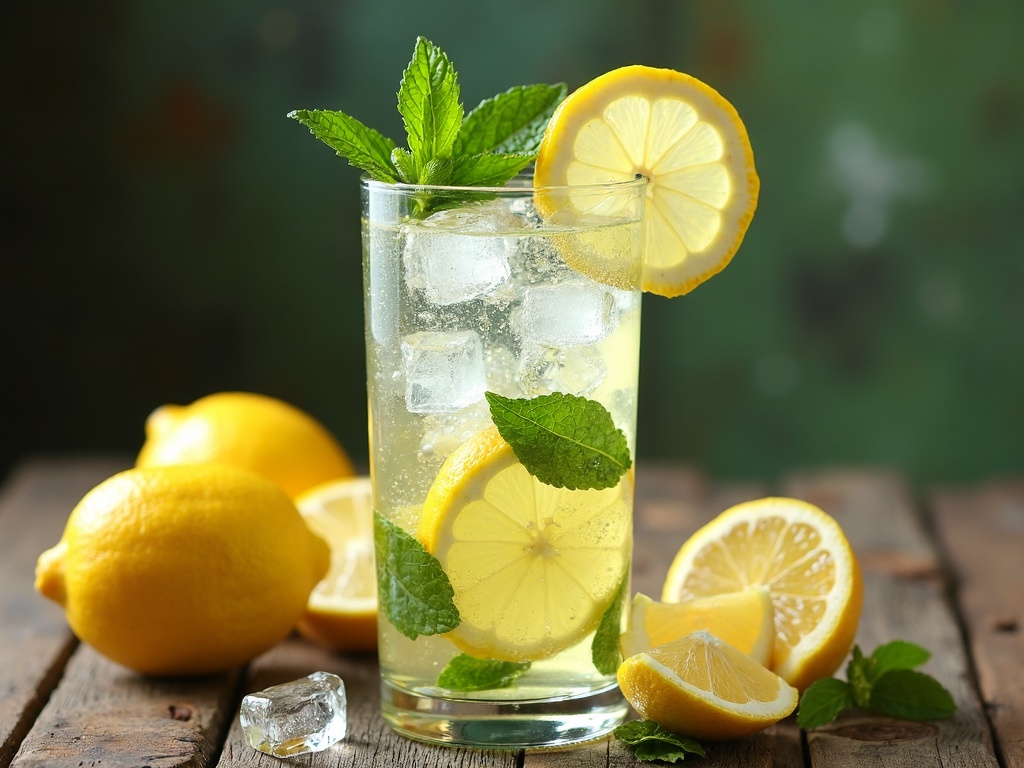
Slide a thin lemon wheel onto your glass rim so it perches like a fancy garnish no extra tools required. Yall look super pro that way.
Toss in a few frozen berries instead of ice cubes for color and a mild fruity twist once they thaw a bit youll get small fruit bits floating around.
Add a sprig of mint or rosemary buds for an herbal kick that smells dang good while you sip away on your lemon water.
Change it up how you want
If you crave more sweetness swap honey for maple syrup or a wee bit of stevia to keep it lighter. Each gives a different kind of smooth finish.
Drop in cucumber slices for extra cool mouthfeel and a hint of vegetal freshness you might even call it spa vibes at home.
Try mixing lemon and lime together for a dual citrus punch taste buds will notice new tang combos that keep things interesting.
Infuse ginger or basil leaves during cold infusion for a subtle spicy or herbaceous background note that grows on you sip after sip.
Storing your citrus blend
Store lemon water in a sealed glass bottle to slow down oxidation that can dull bright flavors over time. Seal keeps it fresh longer.
Keep it in the fridge and use within forty eight hours maximum before acidity and aroma start to fade noticeably.
If ice dilutes it too quick fill your glass pitcher with chilled water instead of ice cubes so flavor lasts till last sip.
Give it a gentle stir before pouring since heavier bits of pulp or zest might settle on the bottom after a few hours.
Parting thoughts on simple sips
Lemon water is more than just a quick refreshment it shows how basic elements can combine under the rules of science to make something dang tasty. Yall got this.
Perfecting that profile takes just a bit of practice tasting and adjusting which feels like a small kitchen experiment every time you pour a glass.
Next time you sip on lemon water think of pH balance and solvent action bringing brightness right to your glass no fancy gear needed.
Answers on common geek queries
How long do I steep lemon pieces cold Does cold infusion beat warm steeping for flavor infusion speed The answer is slow cold brew takes up to two hours but preserves bright aroma better.
Can I reuse lemon wedges once Ive made one batch You might get a mild second round but most of flavonoids are gone first time around so flavor will be weak.
Does boiling water ruin health benefits Like destroying vitamin C Bombing it at boil can reduce some nutrients faster so a gentle heat just under simmer is best balance.
Why does my drink taste bitter Some white pith from the lemon rind is super bitter so avoid overstepping or let heated water hit rind directly or lay in fruit too long.
Is lemon oil extraction same as caramelization No lemons dont caramelize you wont get brown sugars just volatile oils and acid extracting in water simple as that.
Can this drink help protein set in meals Not really protein set is for curdling dairy and eggs lemon acid can do that but here in dilute lemon water its too weak for that trick.
Whats a good ratio for daily routine Start with half a lemon per eight ounces water adjust to taste dont over acidify your system balance is key.
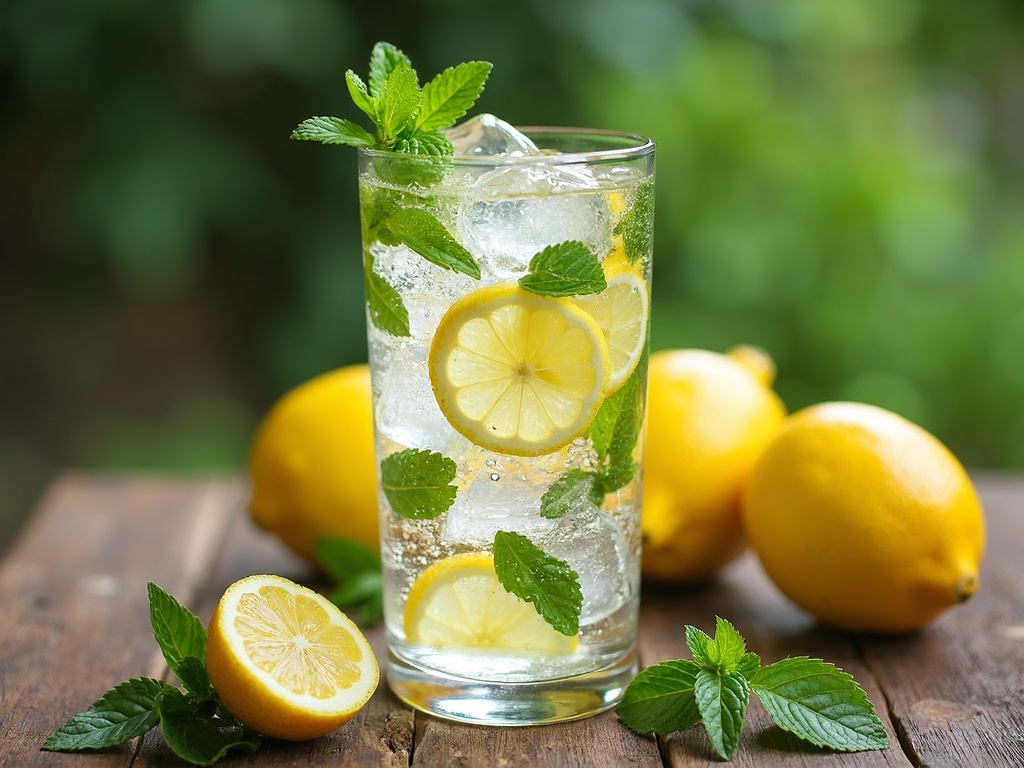
Lemon Water
Ingredients
Equipment
Method
- Wash the lemons thoroughly under running water to clean the skin.
- Roll the lemons on your countertop using gentle pressure to help release more juice.
- Slice both lemons in half. Using the citrus juicer or reamer, extract the juice. Remove any seeds.
- Pour the lemon juice into the pitcher.
- Add 1 liter (4 cups) of cold filtered water to the pitcher with the lemon juice.
- Stir the mixture well with a spoon to combine.
- Add ice cubes to the pitcher, or directly to individual glasses if desired.
- Optional: Garnish each serving with a thin slice of lemon and a few mint leaves for a fresh aroma and elegant look.
- Serve immediately, pouring into four glasses.