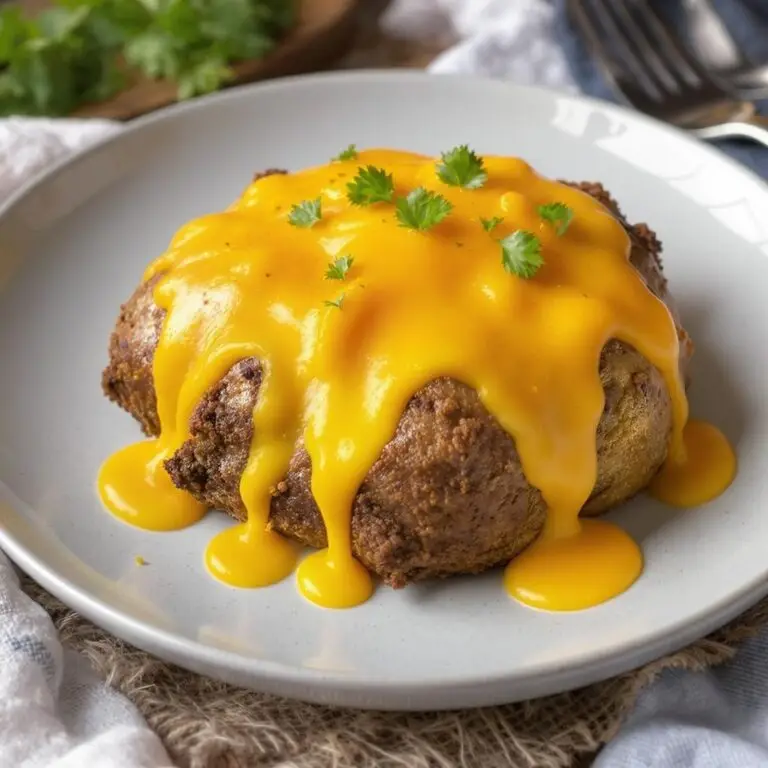
Crispy orange chicken kick off
When I first decide to cook orange chicken I know right away it is gonna be a fun mess of sizzle and aroma. The sweet tang of citrus meets the savory crunch of chicken bits. It feels like a home lab experiment in flavor. I get this urge to push my pans to the edge. The aim is to lock in that crisp crust while letting the orange notes dance in every bite.
My kitchen starts with a pile of chicken chunks waiting for its turn. I am always thinking about Maillard browning when the chicken hits the hot oil. That crust forms best when protein rest is nailed. That means letting cut pieces sit a moment. Meanwhile the sauce warms up with caramelization going on low and slow. This whole process makes the best orange chicken you can imagine.
Something about seeing those golden edges pop out makes my heart beat faster. A little slip in timing and the chicken will be soggy not crispy. I keep that in mind as I juggle pans and bowls. It is just cooking though the heat science feels like a tasty puzzle to solve.

Heat science behind the citrus glaze
I like to say that cooking orange chicken is really about managing heat. You learn that too much heat will burn your sauce fast. Too low heat and the chicken turns out limp. I find the sweet spot by watching the oil temperature. It takes a few tries but once you hit it your home chicken feast shines.
Slow simmer is key for the glaze to thicken gently. I stir it so the sugars do not crystallize or burn. That way the carrots smell sweet not bitter. My neighbors might think I am a head chef the way my kitchen smells. It actually comes from simple caramelization and patient stirring.
Every time I dip a piece of chicken into the sauce I think about how the sauce clings. That sticky coat is all about surface texture. That is where the Maillard browning on the chicken buds with the sweet kiss of orange juice. It is a science show that ends with finger licking.
Stocking up for your orange chicken adventure
- Chicken thighs or breast boneless and cut in bite size pieces
- Fresh oranges you want juice and zest for that bold orange chicken boost
- Cornstarch helps build a crispy crust that the sauce sticks to
- Soy sauce salty base to balance sweet orange juice
- Brown sugar for a richer caramelization in the glaze
- Rice vinegar a quick sour spark that wakes up the sauce
- Garlic cloves minced for that umami hit in each orange chicken bite
- Fresh ginger grated to bring a warm zing to your citrus feast
It is a small list but each item matters big time. Without cornstarch there is no crisp. Skip ginger and you lose a flavor spark that ties sweet and savory. I keep these stocked so I can whip up orange chicken on a whim.
Setting up your station like a pro
Before the cooking marathon starts I get my bowls laid out. One bowl holds chicken with a dusting of cornstarch. Another bowl has leftover dry mix if I need to grab more. A small pan is ready for my oil and a second pan waits for the sauce. I like to keep my spatula and slotted spoon close by.
Next I juice the oranges and grate the zest. That part smells amazing right away. I pour my sauce ingredients into a small bowl so I only have one pour at that simmer stage. That prep setup feels like laying out tools in a workshop. It makes the cooking flow smooth.
Protein rest is huge here. I let my chicken rest in the cornstarch for at least five minutes. This lets the coating stick better and gives me a short break to finish sauce prep. That way the chicken hits the hot oil in prime form for maximum crisp.

When your kitchen starts to smell sweet and savory
A few minutes in you will notice your kitchen is filled with a sweet citrus aroma. That is your garlic and ginger getting cozy in hot oil. The sound of steam rising reminds you that caramelization is going strong as sugars break down gently in the simmer.
In this moment you know you are close. The smell is like a promise that soon you will taste that sweet tang and spicy hint in every orange chicken nugget. It makes me pause and breathe deep. It feels like a reward for doing all that prep work right.
Mid cook look at your chicken progress
At about the halfway mark you want to lift a piece of chicken out with a slotted spoon. Check if it is golden and crispy. If it looks pale or soggy I crank up the heat just a bit. Watch for the oil to shimmer that tells me I am in the Maillard browning zone. That is when the chicken bits turn their best hue.

If any bit looks overly dark I drop the heat a touch and give the pan a swirl. That prevents hot spots from burning your chicken crust. It is like tuning a guitar string until it is perfect. That tweak is all part of the orange chicken show.
Once I see crisp please by flicking a piece against the pan I know I can move on to the slow simmer for the sauce. That bit of extra check keeps my dinner from going south.
Temperature checks and sauce cling notes
When your chicken is golden and rested you want to check one piece for the doneness. Using a probe thermometer you look for around one sixty five degrees internal. That ensures it is cooked through but still juicy inside that crunchy coat.
Then you drop the chicken pieces into the sauce. You stir gently so they all get coated evenly. Every piece picks up that sticky sweet coat. You see how the sauce runs off slowly that tells you the right balance of sugar and liquid. It is a simple check that makes your orange chicken shine.
Let it simmer a minute to let flavors meld. You will notice the shine of the glaze get glossy like a show coat. That glossiness is what makes your friends and family grin when you set it on the table.
Serving your orange chicken with flair
I like to plate orange chicken over a bed of fluffy rice. It soaks up that sweet sauce in all the right spots. Then I sprinkle green onions or sesame seeds on top. That pop of color makes it look like a restaurant dish right at home.
You can serve lemon or lime wedges on the side for extra citrus zing. Some crushed red chili flakes also work if you want a mild kick. It is simple plating but it feels fancy enough to impress even picky eaters.
Leftover remix ideas for the next day
If you have leftover orange chicken you can turn it into a quick fried rice. Just chop or tear the chicken into smaller bits and toss with rice and veggies. Add a splash of soy sauce and sesame oil for extra depth. You get a whole new meal that still tastes like the original orange chicken feast.
Another hack is to wrap the chicken in a tortilla with lettuce and a drizzle of mayo. It makes a crunchy wrap that hits all the right sweet and savory notes. You can even add a handful of shredded cabbage or carrots for crunch. That way your orange chicken lives on in tasty ways.
Final thoughts plus common orange chicken questions
Making orange chicken at home is about balance. You juggle crisp and sauce. You time your heat and simmer. You rest your protein so the crust stays intact. When you nail each part you end up with sweet tangy chicken that is better than takeout.
Common question number one is how to make it less sweet. Simple you cut the sugar in half or swap some orange juice with water. It dulls the sweet without losing flavor. You still get that citrus pop in every bite of orange chicken.
Another question is what to do if the sauce is too thin. Just let it boil a bit longer. Slow simmer until it thickens. You can also whisk in a pinch more cornstarch mixed in water. That is a fast trick to get a glossy cling that sticks to each chicken piece.
Some ask how to keep the chicken crispy when you add sauce. Quick tip drain extra oil and let the chicken sit a second before dunking. You can also spoon sauce over just before serving. That way your orange chicken stays crunchy and saucy at once.
So there you have it a full kitchen journey from raw cut to plated bounty. With these tips you are all set to cook orange chicken like a home cook obsessed with heat and flavor.

Orange Chicken
Ingredients
Equipment
Method
- In a large bowl, whisk together the cornstarch, flour, salt, and pepper. In a separate bowl, beat the eggs. Dip each chicken piece into the egg, then dredge in the flour mixture until well-coated. Place coated chicken on a plate.
- Pour the vegetable oil into a large frying pan or wok and heat over medium-high until shimmering. Fry the chicken pieces in batches for 4-5 minutes, turning occasionally, until golden and cooked through. Remove with a slotted spoon and drain on paper towels.
- In a small saucepan, combine the orange juice, soy sauce, rice vinegar, sugar, orange zest, ginger, garlic, and chili flakes. Bring to a gentle simmer over medium heat.
- In a small bowl, mix the cornstarch and water to make a slurry, then stir into the sauce. Continue simmering for 2-3 minutes, stirring, until thickened and glossy.
- Place the fried chicken in a large clean bowl, pour the hot orange sauce over the chicken, and toss gently to coat all the pieces.
- Plate the orange chicken and sprinkle with green onions and sesame seeds. Serve immediately with steamed white rice or fried rice.