Science Boosters for Your Baked French Toast
Youre in it for the flavor and texture but science is the secret sauce behind each crisp edge and custardy center These key principles up the ante on your Baked French Toast results
- Maillard reaction browning gives you that deep toasty flavor and caramelized crust every go around
- Protein set in eggs firms up interior so slices hold shape under slicing no soggy mess
- Caramelization of sugar in the custard helps form golden islands on each slice top
- Slow simmer in fridge overnight boosts flavor absorption and lets spices mingle fully
- Heat transfer in a water bath evens cooking preventing dry spots at edges
- Starch gelatinization in bread trap moisture locking that creamy feel inside each bite
- Evaporation control by covering in foil til last minutes keeps top from burning
- Oven fan circulation promotes even browning across entire tray no hot spots
- pH adjustment with a pinch of salt enhances sweetness and balances flavor acids
- Gentle whisking reduces foam preventing air pockets that lead to unwanted tunnels
Ingredient Roles in Your Baked French Toast
Knowing what each ingredient does gives you a leg up on customizing and improving your egg custard bake Heres a handy breakdown of core ingredients that make Baked French Toast hum from structure to flavor enhancers
- Stale bread absorbs custard deeply and holds shape teaching you starch gelatinization in action
- Eggs bind custard and set proteins for a firm but tender interior texture
- Milk or cream dilutes egg proteins balancing richness and aiding slow heat transfer
- Sugar sweetens and fuels caramelization giving golden crunchy spots on surface
- Butter adds mouthfeel and fuels browning on contact with hot pan or tray
- Vanilla extract supplies aromatic compounds that elevate overall scent profile subtly
- Cinnamon or spices bring warmth and help mask minor off notes in eggs
- Salt sharpens flavors by reducing bitterness and adjusting custard pH slightly
- Optional fruits like berries add moisture and acidity for contrast in each bite
- Heavy cream ups fat content for smoother mouth coating and slows protein coagulation
Each component plays a precise role from protein set to caramelization giving you fine control over taste and texture in every slice Remove or remix elements with confidence knowing every egg whisk or spoon of sugar changes science behind your custard soak for confident Baked French Toast success

Prep Moves Part One
First you preheat oven to 350 F conventional or 325 F for fan assisted ovens so heat distributes evenly Grab a shallow dish for soaking custard and a 9 by 13 inch baking pan Grease your pan with soft butter making sure corners get coated too Thats where stuck edges ruin your browning so dont skip it yall when making Baked French Toast
Next whisk eggs milk or cream sugar vanilla ground cinnamon and a pinch of salt vigoursly until color lightens slightly Some folks stop at light foam but you want just enough bubbles so custard mixes smooth not chunky Dont overbeat or youll trap air that leaves holes in your bake making it look uneven Kept it chill and easy
Slice bread thick about one inch so it absorbs well without falling apart Dunk each piece into custard turning slowly giving each side a good coat Let slices sit in dish for at least one minute per side or overnight if youre pre planning Transfer soaked pieces gently into greased pan align edges snug no spaces
Early Taste Check
Right after the bake your kitchen smells dang good so grab a slice of your Baked French Toast with a spatula and let it cool a bit That moment when you cut through caramelized top into that warm custard is why youre here The texture gotta be tender yet firm you shouldnt see liquid oozing or a dry crumb You can taste if the protein set is just right it gives that gentle bounce when you bite
Top with berries or a light dusting of powdered sugar for a quick flair before diving in Yall want that sweet tang meeting rich eggy flavors and subtle cinnamon spark creating balance Take a bite and notice the gentle bounce inside showing perfect set That feedback helps tweak your next Baked French Toast round
Oven Stage Part Two
Slide the pan of Baked French Toast onto center rack and bake uncovered for twenty minutes before tenting foil This lets top start to crisp by direct heat while interior begins protein set phase Keep an eye through window dont open too often or heat escapes slowing your bake That initial blast warms everything evenly so you avoid cold center spots
After twenty minutes loosely lay foil over pan edges so steam stays in but top stops over browning If you want extra custardy middle add a water bath by placing pan inside larger dish and pouring hot water around sides This gentle heat simulates a slow simmer effect keeping texture creamy not sponge like in Baked French Toast
Uncover in last few minutes crank heat to low broil or raise to 375 F for extra caramelization on surface Swiveling rack closer to element helps get those golden islands without burning edges Remove when crust is deep amber and center jiggles slightly under shake Let rest ten minutes before slicing so proteins firm up completely in your Baked French Toast
Geeky Tips for Tinkerers
You might wonder why stale bread works best its starch network reinflates under custard soaking showing starch gelatinization in real time for your Baked French Toast Fresh bread has less structure collapsing under weight If youre curious adjust soak time by thickness too thick slices need more minutes in custard else inner crumb stays dry Also chilling custard base lets flavors marry and reduces foam for smooth soak
Try swapping half milk for crème fraîche for tang or add citrus zest to tweak pH boosting caramelization speed Using glass dish instead of metal cools slower so bake longer subtle effect on crispness And if youre tracking temperatures an instant read probe into center should read around 165 F when protein set completes Thats the sweet spot for no rubbery chew perfect for your next Baked French Toast

Easy Plating Tricks
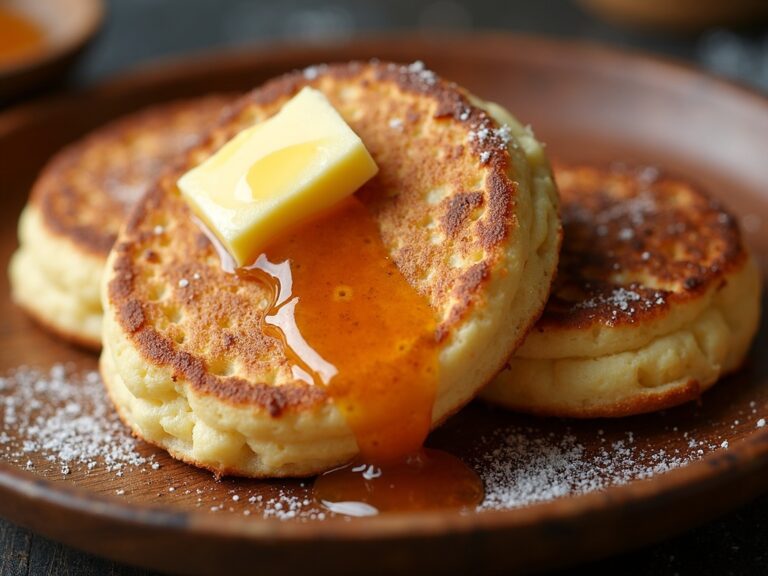
For plating Baked French Toast stack two slices slightly askew then fan berries on top letting juices drip Drizzle a spoonful of warm maple syrup around not over to keep crust crisp A sprig of mint adds color and fresh aroma to contrast rich custard tones Youll wow folks with minimal effort
If you want rustic serve single slices in shallow bowls nestling them in warm berry compote Scoop vanilla ice cream or dollop whipped cream at side for creamy contrast A light dusting of powdered sugar through fine sieve mimics gentle snowfall on golden peaks Its simple and dang elegant for weekday brunch Baked French Toast style
Custom Variations to Try
Once you master core recipe you can experiment with flavors and techniques to put your own spin on Baked French Toast with these tasty tweaks below
- Chocolate twist swap half milk for chocolate milk and stir cocoa powder into custard for rich dessert style Baked French Toast
- Apple cinnamon add thin apple slices between bread layers dust nutmeg for fall cozy vibes with Baked French Toast
- Pecan praline sprinkle chopped nuts and brown sugar on top halfway through bake for caramel nut topping on Baked French Toast
- Orange cardamom zest orange peel and crushed cardamom pods in custard for bright fragrant notes in Baked French Toast
- Coconut mango use coconut milk in mix and top with diced mango for tropical flair and moisture burst in Baked French Toast
- Savory spin replace sugar with grated cheese herbs and omit vanilla for brunch or light dinner twist on Baked French Toast
- Chocolate chip drop chips on slices before baking for melty pockets in each Baked French Toast bite
- Boozy soak stir bourbon or rum into custard for adult friendly morning treat or dessert bite of Baked French Toast
- Pumpkin spice fold in canned pumpkin and pumpkin spice mix for seasonal flair and rich color
Storing Your Leftovers
Leftover Baked French Toast slices cool completely then wrap individual pieces in plastic wrap or place in airtight container Keeping slices separate avoids soggy stacking issues youll get when moisture migrates Store in fridge up to two days to keep custard set firm and flavors fresh Dont let them sit out too long or growth risk increases You can also place parchment paper between layers to protect crunchy edges
To reheat pop slices in oven at 300 F for ten minutes or until warm to restore crisp top of your Baked French Toast Avoid microwave it softens crust losing that key caramelization For longer storage freeze tightly wrapped slices up to two months Thaw in fridge overnight then bake briefly for best texture before serving your Baked French Toast rerun
Wrapping Up the Feast
Youve walked through every step from custard whisking to golden browning and seen the science behind Baked French Toast come alive Whether its for weekend brunch or holiday morning you now know how to nail protein set and maximize caramelization This recipe takes simple pantry staples to new heights with easy chemistry tricks yall can use again
Dont shy from tweaking soak times bread types or spice blends because thats where you make it truly yours Next time you can dial in crisp edges or amp up creamy center by adjusting temperature or custard ratio Have fun nerding out over each layer and savor how science fuels flavor in every bite when refining your Baked French Toast
Also, for a savory brunch side, try our Shakshuka recipe.
Common Science Questions Answered
Here are answers to common questions about the science behind perfect Baked French Toast yall may wonder about
- Why stale bread better than freshStale bread has lower moisture lets custard soak deeper activating starch gelatinization without collapse making texture ideal
- What is protein set in eggsProtein set refers to egg proteins unfolding and bonding under heat firming custard so slices hold shape
- How does caramelization differ from Maillard reactionCaramelization breaks down sugars under heat while Maillard reaction is between proteins and sugars creating complex browning flavors
- Why use a water bath optionWater bath moderates heat preventing rapid crust browning and dry edges giving a more uniform gentle cook
- Should I cover custard while soaking overnightCovering dish reduces moisture loss in fridge plus keeps bacteria out ensuring safe soak and flavor retention
- How do spices affect scienceSpices add trace compounds that can alter pH and moisture absorption so they tune caramelization and custard viscosity
- Why egg to milk ratio mattersHigher egg ratios give firmer custard with stronger protein network while more milk yields softer creamier center
- Can I use alternative milksAlmond or oat milk alters fat and protein content so texture may change youll get less browning but still tasty
- Can I reheat Baked French Toast in air fryerYes setting air fryer at 300 F for five minutes restores crisp exterior quickly without drying center

Baked French Toast
Ingredients
Equipment
Method
- Preheat your oven to 180°C (350°F). Generously grease a 9x13-inch baking dish with butter.
- Slice the bread into 2.5 cm (1-inch) thick pieces. Arrange the slices in the prepared dish, slightly overlapping them if necessary.
- In a large mixing bowl, whisk together the eggs, milk, heavy cream, granulated sugar, vanilla extract, cinnamon, and salt until fully combined.
- Pour the egg mixture evenly over the bread slices, ensuring all pieces are well soaked. Gently press down on the bread to help absorb the custard.
- Cover the dish with foil and let it sit for at least 15 minutes to soak, or refrigerate overnight for best results.
- Remove the foil and bake in the preheated oven for 35-40 minutes, or until the top is golden brown and the center is just set.
- Let cool for 5-10 minutes. Serve warm with your choice of toppings such as maple syrup, berries, or a dusting of powdered sugar.