That dang afternoon I had a cooking adventure that almost went sideways when I tried making potato dumplings from scratch gnocchi recipes for the first time. I thought it would be just soft pillows but ended up with sticky lumps all over the counter. I remember staring at flour and mashed potato everywhere and thinking I screwed it up royally.
The kitchen was a total mess just like a science lab after a wild test run. Dough kept sticking because starch began to release when I mashed the potatoes so intense protein set happened faster than I wanted. I almost tossed it but decided to keep kneading till it felt kinda smooth. It felt weird but taught me so much about texture control in homemade pasta.
When I dropped those doughy bits into boiling water they floated up quick which meant my slow simmer trick for warming the sauce was a go. That float showed cook time was spot on and the dumplings held together. Slurping buttery tomato basil over those soft bites gave me that dang satisfying contrast of fluff and chew.
Why science matters for yums
Science gives you control over texture flavor and aroma in every bite here are some cool points to level up your dumpling game
- Maillard reaction for browning is all about amino acids meeting sugars under heat for deep color and savory taste
- Caramelization kicks in when sugar content in sauce reaches a higher temperature creating those sweet nutty notes that dance on your tongue
- Starch gelatinization happens as potatoes soak up hot water molecules causing the dumpling to firm up and hold shape after cooking
- Protein set from the egg binds flour and starch in place so fresh gnocchi has that tender bouncy texture without falling apart
- Gluten network forms gently if you dont over work the dough giving just enough structure to create those soft potato dumplings
- Slow simmer method for sauce blend keeps herbs oils and tomatoes hugging dumplings slow so flavors marry well
- Temperature control matters a ton measuring water heat in pot before adding dumplings stops shock and ensures even cooking
- Moisture retention in dough is a balance between mashed potato water ratio and flour amount tweak them slowly not all at once
Who does what in the mix
Every ingredient in this homemade pasta plays a specific job so dont skip on quality or that perfect dumpling bounce
- Russet potatoes give that creamy base texture once mashed then cooled before mixing for stable dough and pillowy bite
- Potato starch boosts binder power gripping moisture to avoid gummy results and keeps your potato dumplings from falling apart
- All purpose flour builds gluten network lightly so if you avoid over kneading youre rewarded with stretchy walls and light chew
- Egg binds moisture into the mix triggering protein set to keep dumpling shape stable while cooking without turning rubbery
- Olive oil slicks dough surfaces for non stick ease and tender bite while adding a mild fruity note to every gnocchi
- Salt seasons the core flavor enhancing every ingredient so dont skimp it in potato mash or tomato basil sauce
- Fresh basil adds aromatic lift and a bright herb punch so dumplings taste lively and not too heavy on your palate
- Butter sauce coats each piece in creamy fat delivering silky mouthfeel and a depth of richness for true comfort vibes
With these roles clear you can tweak ratios knowing exactly what changes your chew texture or flavor profile like firmness or taste brightness
Getting your hands in motion
Pick some medium sized potatoes with high starch count like russets peel them and cut into even chunks so they cook uniformly
Cover pieces with cold water bring to rolling boil then reduce heat to a steady simmer so potatoes cook through but dont break down into a waterlogged mess
Drain thoroughly then let steam off moisture on a baking sheet for a few minutes this dries them and stops excess water messing up your starch balance
While they rest weigh them if you want precise ratios then mash using ricer or heavy masher pressing slowly to avoid over working gluten network
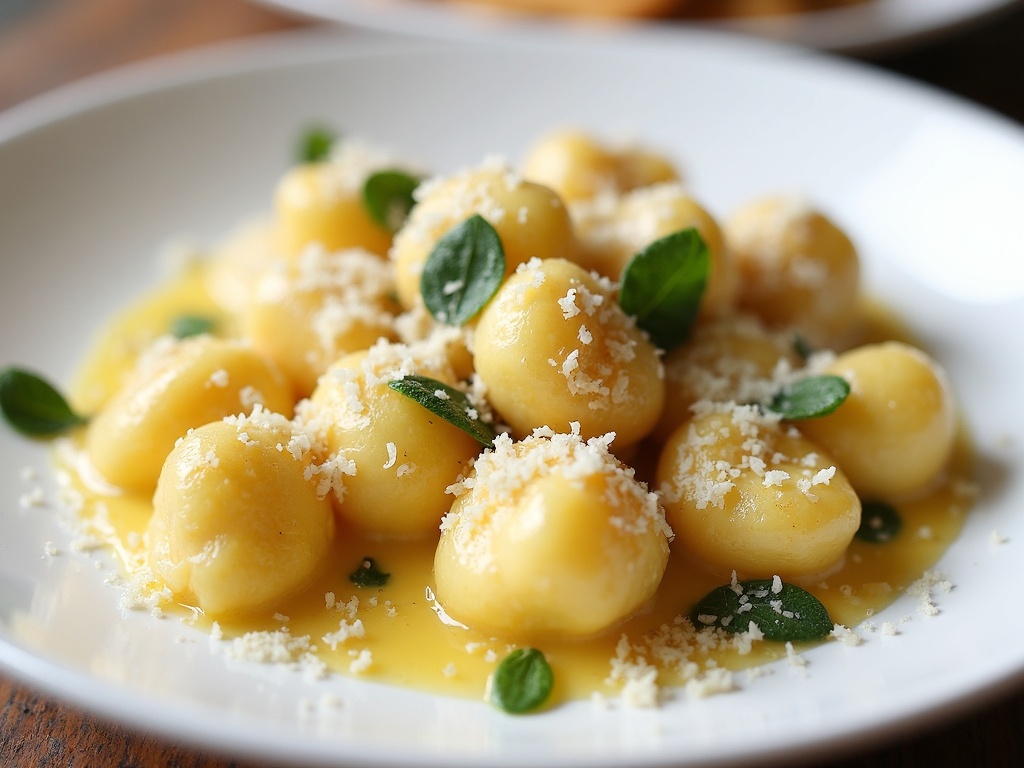
Add egg a little beaten then fold in sifted flour bit by bit stirring gently by hand until dough comes together not sticky but soft
Turn dough onto floured surface roll ropes then slice into dumplings pressing lightly with fork tines to create fresh gnocchi and its classic ridged pattern
If dough feels too soft refrigerate it for ten minutes this relaxes gluten network and makes it easier to handle without over kneading or warming up too fast
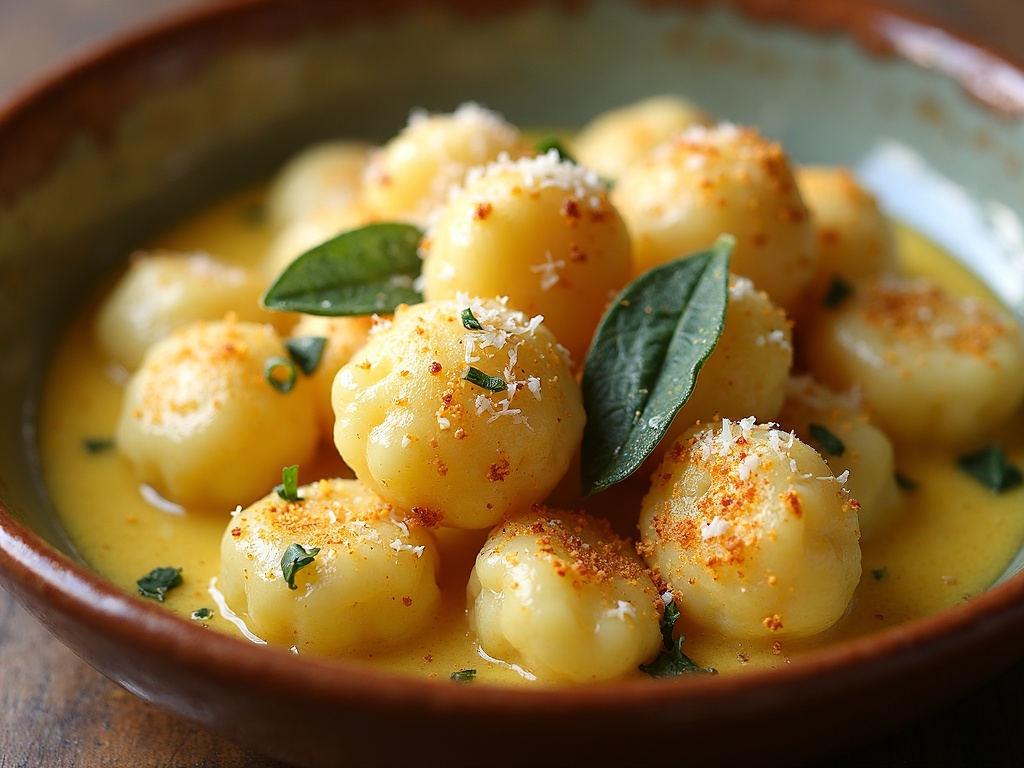
First bite reaction
That first bite was a dang game changer after all that work. I bit into the soft potato dumpling and felt tender give under my teeth before a slight chew kicked in. The buttery tomato basil sauce clung effortlessly coating each nook and ridge in rich flavor. I noticed hints of sweet caramelization from a light browning on edges of the sauce. A little crackle of salt hit me next balancing the overall richness. Yall that moment made me glad I stuck with it even when dough stuck everywhere.
The warmth of the dumpling and the steam rising off the sauce gave me that homely comfort vibe I been craving since day one of this experiment
Heat up and finish strong
Fill a wide pot with water and add a pinch of salt before heating it to a rolling boil. Drop your gnocchi gently one by one so none stick together. Theyll sink at first then after about two to three minutes youll see them float to the top. Once floating remove with a slotted spoon and let drain briefly over the pot to keep warm without leaching starch.
In a separate pan warm up your tomato basil sauce over medium heat before turning down to maintain a slow simmer. Keeping that gentle bubble ensures tomatoes soften fully and garlic infuses the oil without burning. Stir occasionally scraping up those flavorful bits stuck at the bottom. This lets caramelization of sugars and natural acids create depth without going overboard. Dont rush this part.
Now toss drained dumplings into the sauce pan add a small knob of butter and swirl gently over low heat. That butter melts releasing richness and helps sauce cling to every ridge. Garnish with torn basil leaves at the end then lift pan off heat right before serving. Practicing these moves helps you nail it every time.
Geek out on details
If you wanna geek out further here are some handy notes from my own trials that will help you focus on consistency over luck
- Check water temperature by waiting for a full rolling boil no lazy bubbles this ensures dumplings hit heat consistently and cook evenly
- Monitor dough temperature if it feels room warm you may need to pop it in fridge briefly for easier shaping
- Flour humidity changes binding power when weather is damp add flour gradually and keep some extra on hand for dusting surfaces
- Tweak sauce acidity balancing fresh tomato sweetness and a pinch of baking soda if sauce tastes too sharp for smoother mouthfeel
- Try pasta alternatives like ricotta gnocchi or semolina versions for textural twists just adjust egg and flour ratios accordingly
Keep these tips in mind and yall will churn out consistent dumplings with flavorful results every single time
Dress em up simple style
Sometimes keeping it simple is best for showcase your homemade potato dumplings
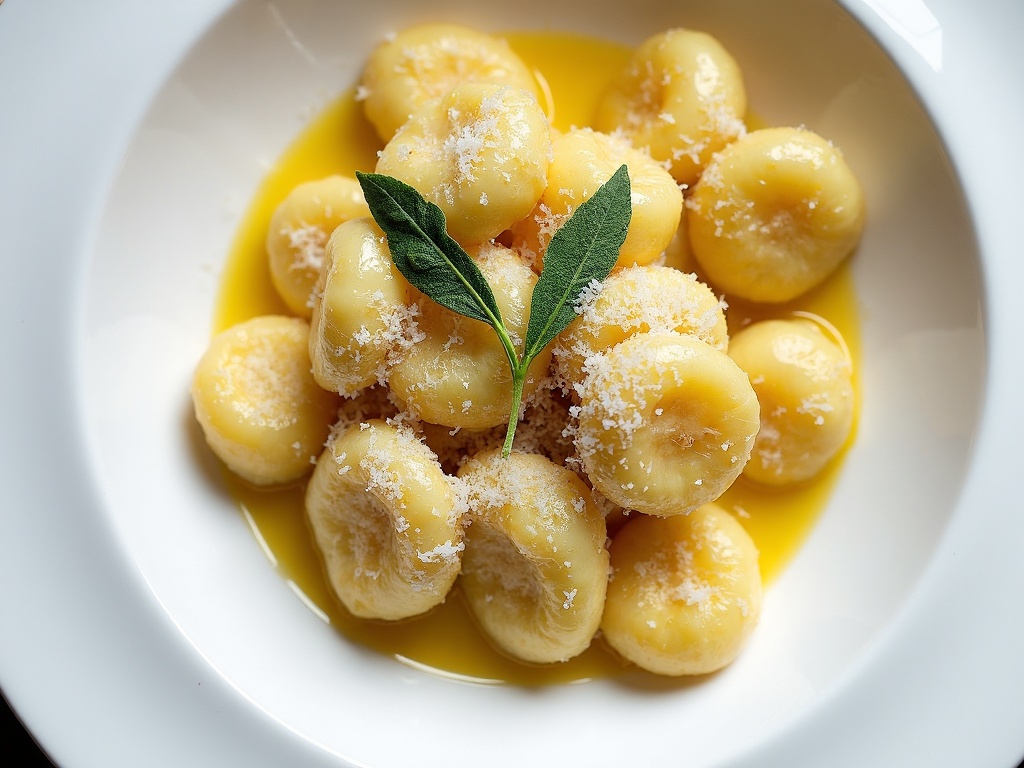
Use shallow bowls so sauce pools under each dumpling letting you scoop every fragrant bite. Swirl sauce with a spoon before you add dumplings so you get even coverage. Top with a few torn basil leaves and a light grate of Parmesan or ricotta salata. A quick drizzle of olive oil over warm plate gives shine.
You can also slide a few dumplings on a wooden board lined with a cloth napkin for rustic vibe. Lay thin basil ribbons over the top. Serve with crusty bread on the side to soak up any leftover sauce. Pair with a simple green salad in a small dish beside your plate to balance richness. Voila yall are set.
Switch ups you can try
- Swap russets with sweet potatoes for bright color and a slightly sweet taste just reduce flour amount as sweet potato moisture content is often higher than white spuds to keep dough from getting too wet
- Try ricotta gnocchi using fresh ricotta cheese mashed with egg and flour this yields lighter dumplings but watch protein set carefully or youll end up with loose texture and adjust hydration ratio slowly based on ricotta moisture levels
- You can do semolina gnocchi by swapping half the all purpose flour for semolina its coarse grain adds a nutty bite and grip for sauce while holding shape firm let dough rest for ten minutes after mixing
- Make gluten free version using potato starch and rice flour adjust binder levels with extra egg white to compensate for missing gluten network and toss dumplings carefully avoiding breakage in boiling water
- Play with sauces like brown butter sage and lemon zest or a creamy mushroom ragout each sauce alters flavor profile and texture cling in unique ways giving different sensory experiences per bite
Keep em fresh for later
To store leftover dumplings chill them quickly to stop residual heat breaking down structure
Once cooked let your potato dumplings cool uncovered for five minutes to release steam. Transfer them to a shallow container arrange in a single layer so they dont stick. Cover lightly with plastic wrap or a silicone lid then refrigerate for up to three days. For best quality use within two days as moisture can weep causing softer texture
To freeze flash freeze first on a baking sheet spaced apart once solid transfer to a freezer safe bag keep for up to one month. Boil dumplings directly from frozen adding a minute or two to cooking time. For sauces freeze separately in small portions then reheat over gentle heat maintaining that slow simmer until warmed through.
When reheating dont microwave too long or dough gets gummy best approach is pan toss over medium low heat with a bit of water or oil to refresh that pillowy chew
Small but mighty end
All in all this journey taught me that even if things look sketchy at first you can lean into culinary science and end up with restaurant style results in your own kitchen These potato dumplings deliver comfort and neat texture contrast thanks to starch gelatinization and protein set control By respecting ingredient roles and taking time on slow simmer sauces youll bounce from flop to flair quickly Yall got tools now to nail every batch no need to fear sticky dough or bland sauce Just stick with the steps keep tasting and adjust as you go The best gnocchi recipes become a canvas for your creativity so tweak sauces toppings and herb mixes until you find your signature vibe
Kitchen science questions answered
Why do dumplings float in water When potato dumplings heat from center the starch gelatinization reduces density causing them to rise this float time also tells you theyre cooked through without slicing them open
What does egg do in this recipe The egg proteins bind to starch and flour creating the protein set so dumplings stay intact when boiling and deliver that tender springy texture without breaking apart
How do I keep gnocchi from getting gummy Dont over mix or use too much flour Rinse cooked dumplings briefly or drain then toss in sauce quickly to remove surface starch that leads to gluey mouthfeel
Why press dumplings with fork tines Those ridges serve as extra surface area for sauce adhesion plus they guide even cooking heat into the center and release steam from interior as pressure drops
Can I speed up sauce cooking You can boost heat temporarily but smarter is using slow simmer that gives herbal olive oil infusion and caramelization without risk of bitter burnt garlic or tomato sugars
How does temperature impact texture High heat shock makes dumplings burst or split while lower steady heat ensures starch gelatinization proceeds evenly and gluten network holds moisture resulting in pillowy bite
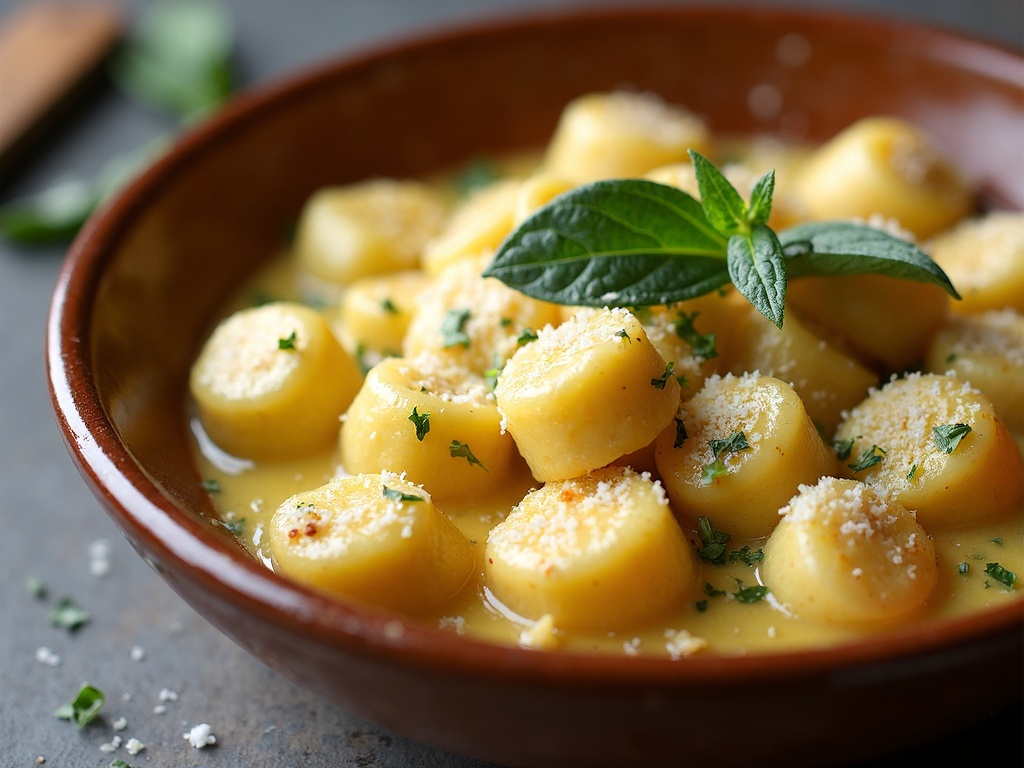
Gnocchi Recipes
Ingredients
Equipment
Method
- Boil the potatoes in their skins in a large pot of water for 25 minutes or until tender.
- Drain potatoes, then peel them while still warm. Pass them through a ricer or mash until very smooth into a mixing bowl.
- Let the mashed potatoes cool slightly, then add the flour, egg, and salt. Mix using your hands or a fork until a soft dough forms—do not overwork.
- Turn the dough onto a lightly floured surface. Divide into 4 pieces. Roll each piece into a long rope about 2 cm diameter.
- Cut ropes into 2 cm pieces. Lightly roll each piece over the back of a fork for classic ridges (optional).
- Bring a large pot of salted water to a gentle boil. Drop in the gnocchi in batches. When they float to the surface (about 2-3 minutes), remove them with a slotted spoon.
- Meanwhile, melt the butter in a skillet over medium heat. Add sage leaves and cook until the butter is foamy and fragrant but not browned (about 2 minutes).
- Add drained gnocchi to the skillet and toss gently for 2-3 minutes to coat in sage butter.
- Season with salt and pepper. Serve immediately, topping each dish with grated Parmesan.