Your first crack at making a homemade lollipop ended in a crunchy disaster you didnt expect. The sugar syrup met your candy mold then stuck on your fingers in weird spots. You thought you got the heat right but instead you scored a chewy mess complete with tiny sugar crystals that felt like ground glass. This taught you to dig into the theory of caramelization more deep, you were intrigued.
Despite the flop you couldnt kick the idea. You saw a chance to unlock the secrets behind sugar structure using a candy thermometer as your guide. Slowly the notion of describing the glassy state and controlling supersaturation began to spark curiosity in you, and it set you on a hunt for a fail proof method of crafting a shiny candy pop thats stable in that protein set style. You wanted to master that hard crack stage like a pro.
Soon you found yourself reading about slow simmer phases, about stirring speeds and heat control illusions, and about the trick of avoiding unwanted nucleation. You kinda geeked out as you pictured how every crystal has a story in each lollipop you make, its whole lifecycle from liquid to solid. Thats when you knew you were in for some lab like candy making fun.

Brainy Wins for Your Recipe
Once you get past the initial fail youll spy how cooking a lollipop is pure applied science right in your kitchen
- At two hundred thirty five Fahrenheit the sugar syrup hits hard crack stage setting up proper structure for a sturdy lollipop treat
- Caramelization begins when sucrose molecules break and recombine into amber pigments that add sweet deep flavor notes to each lollipop piece
- Supersaturation control in the mixture prevents random sugar crystals that can make your candy gritty instead of smooth
- The protein set concept helps explain why mixing in a drop of egg white guards against unwanted crystallization when youre cooking candy
- Slow simmer of the syrup with gentle stirring keeps temperature uniform and avoids hot spots that can burn sugar and ruin flavor
- The glassy state is what locks in shine and snap when the sugar mixture cools rapid on a candy stick
- Water content measurement matters because too much water makes your lollipop sticky long after cooking while too little yields brittle shards
- Candy thermometers are like your lab gear making sure you nail that critical temperature window every single time
Ingredient Roles for Your Lollipop Lab
You might think its just sugar water but each part of your lollipop cast has a job thats crucial for taste texture and stability
- Sucrose granules dissolve in water and when heated feed into caramelization giving your lollipop those toasty rich notes while locking crisp snap
- Water acts as a solvent to start controlled dissolution of sugar then evaporates off by the end of that slow simmer serving to prevent grainy crystals
- Glucose or corn syrup works as an inhibitor to control crystal formation by interfering with sucrose molecules stopping unwanted nucleation
- Acid like lemon juice or cream of tartar helps invert some sucrose into glucose and fructose boosting smooth texture and reducing chance of grit in your lollipop
- Color and flavor extracts hang out once you pull the heat off after protein set they give personality be it fruit punch cherry mint or tangy citrus blast
First Steps in Candy Prep
You gotta get your tools ahead of time so you dont freak out mid pour. Grab a reliable candy thermometer thats rated past two hundred fifty Fahrenheit and secure a sturdy pot that can take high heat without warping. Saucy spills or warped pans are heck for cleanup and will mess with your heat balance.
Once youve got your gear line up your lollipop sticks on a sheet of parchment or a silicone mat that wont let hot syrup stick. Measure your sugar water mix by weight for the best precision yet you can eyeball cups if youre okay with slight variation in crystal formation. Keep your color and flavor drops handy so you dont let that glassy mixture cool too fast mid swirl.
Dont forget to give your syrup a slow simmer at start for a few minutes, stirring gently so heat spreads evenly. Thats key to reduce moisture while avoiding bumps in temperature that could spark random sugar crystals. And always wipe down your pot sides with a clean brush dipped in warm water to wash away stray sugar grains before the boil gets intense.
A Friendly Lick Test
When you first dip a small spoon in that molten syrup for a quick taste youll feel the sweet burn hit your tongue before it cools off. Its dang warm so dont let it slide on your skin but you can learn heaps by that initial flavor and texture cue about your lollipop lab work.
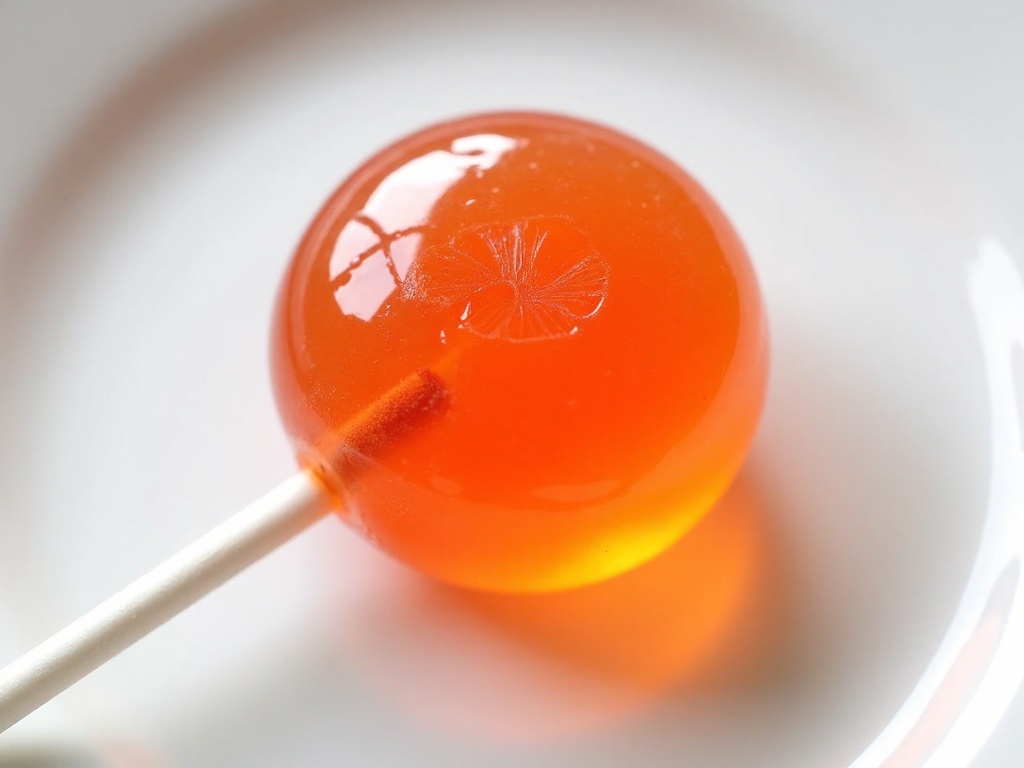
After the syrup cools to room temp you pop off a tiny shard of candy and give it a lick. Youll notice the snap tone as a sign of a good protein set and proper caramelization. Its kinda like a science experiment you can happily sample before you craft the full lollipop mold.

Mastering the Heat Journey
Now its time to crank up the heat and watch your simple sugar water do a slow simmer dance below the boiling point in your lollipop brew, those tiny bubbles tell you water is evaporating just right. Youll keep an eye on the thermometer climbing towards that two hundred thirty five mark where hard crack stage begins, the threshold for a crystal proof lollipop.
Youre stirring gently until the syrup looks clear then you switch to swirling motion that helps temperature even out no cold spots or hotspots. Its critical because if one area hits the target temp too early youll end up with bits of burned sugar messing up your color and clean snap.
At the preset temperature you pull the pan off heat fast but safely, and drop in your flavor and color extracts. Thats when the glassy state sets in quick youll stir it maybe ten seconds top before you pour it into molds. Let it sit undisturbed to complete that protein set dance for maximum shine.
Geekier Candy Notes
Sticking to the rule of gradual heating prevents local superheating events that pop and cause rapid nucleation in your lollipop batch. If youve ever seen big sugar crystals form on the side of the pan, thats due to stray grains acting as nucleation seeds, now you know how to avoid that mishap.
Also note the role of humidity in your kitchen, high moisture can rehydrate candy surfaces making them sticky long term. Try storing in a low humidity spot or add a pinch of stabilizer like a sugar alcohol to trap water and keep your lollipop crisp. This insight comes straight from crystallography basics and it helps your treats stay firm.
Chill Ways to Show Off
You dont need fancy platters to let your colorful lollipop shine, a simple glass jar filled with dry rice or beads makes a quick table center. Just stick the candy pops upright and bob wont even care that you used an everyday container. The contrast between the glassy surface and matte base looks clean.
If youre serving pieces instead of pops line a flat plate with a sheet of parchment topped with candy shards in a gradient of hues. Maybe even sprinkle a few edible glitter flakes for a sparkly science vibe that matches your caramelization work and that protein set glow in your lollipop art.
Flavor and Texture Swaps
If you want a fruitier vibe try replacing up to ten percent of your sugar with fruit purée, but cut back on water or youll struggle hitting that correct supersaturation level for a solid lollipop. You may notice a softer texture because of extra moisture, but you can fix that with longer evaporation time on a low simmer.
To make a chewier finish you can stir in a teaspoon of glycerin once off heat it interferes with crystallization and yields a slightly pliable candy thats still glossy. Thats a neat hack when you want to shape flowers or twist the lollipop into fancy shapes without it snapping too soon.
For a creamier result think about adding a dash of milk powder, the proteins will set in with the sugar matrix offering a subtle cream note plus a more tender bite. Just be sure to whisk it in well to avoid lumps and you might drop your yield by a hair but get a whole new tasty texture.
Storing Your Candy Pieces
Once youre done let those lollipop pops or shards cool fully at room temp in a spot with minimal humidity. Pack them in an airtight container thats lined with wax or parchment paper to keep surfaces from sticking. If you stack them add a layer between each row or you risk random chips when you pick one out.
Dont stash them in the fridge cause moisture can condense on the candy and ruin that crisp protein set youve worked on. Most candies will stay firm and fresh for weeks in a cool dry cabinet spot its like keeping them in a little science lab safe zone.
Sweet Conclusion for You
By now you see that crafting a perfect lollipop is equal parts kitchen art and food science, that caramelization and proper protein set can be your best friends. You even know you can tinker with slow simmer times or add stabilizers to control texture and shine.
Next time youre in that sugar lab give yourself credit for leveling up, youve gone from a rough flop to a crunchy candy pro who speaks candy thermodynamics. Just have fun and keep experimenting yall done good.
Candy Chemistry Questions
Whats the hard crack stage When syrup hits about two hundred thirty five to two hundred forty Fahrenheit the water content is low enough to form a firm brittle candy. Thats what gives your lollipop that clear glassy snap when you bite into it.
How does caramelization work Its a bit of sugar science where heat breaks sucrose into simpler compounds that then recombine into brown pigments and flavor molecules. Thats why the taste deepens from just sweet sugar to toasty nutty notes.
Why add acid or cream of tartar The acid promotes inversion of some sucrose into glucose and fructose boosting a fine texture. Less free sucrose means fewer unwanted crystals and a smoother lollipop surface.
Can I use honey instead of sugar Its tricky cause honey has water and other sugars that change your target temperature and crystal formation. Youd need to adjust evaporation time and maybe skip the glassy snap for a softer candy.
Why avoid moisture when storing candies Water is the enemy of the glassy state it softens your candy and makes it sticky. Airtight containers in a dry setting keep your lollipop treats crisp and clear.

Lollipop
Ingredients
Equipment
Method
- Prepare your lollipop molds by spraying lightly with nonstick spray or brushing with oil. Place a lollipop stick in each mold.
- In a medium saucepan, combine sugar, corn syrup, and water. Stir to mix.
- Place the pan over medium-high heat. Stir constantly until the sugar dissolves and the mixture begins to boil.
- Attach the candy thermometer to the pan. Continue boiling the syrup (without stirring) until it reaches 300°F (hard crack stage). This takes about 8-10 minutes.
- Once the correct temperature is reached, remove the pan from the heat immediately.
- Working quickly, stir in the flavored extract and food coloring.
- Carefully spoon or pour the hot mixture into each lollipop mold, covering the sticks. Do not overfill.
- Let lollipops cool and harden at room temperature for about 15 minutes before removing them from the molds.