On a lazy afternoon I decided it was time to give a tuna sandwich a proper moment in the sun. I pulled out two thick slices of bread that looked sturdy enough to hold the fishy filling. The kitchen was humming with possibilities as I thought about how heat and texture shape each bite. You know that clean taste of ocean meat set off by a crunch of toasty bread That was my target right from the get go
Before diving in I nudged myself to remember how I learned about Maillard browning with steak. I wanted some of that rich color on my bread. That browning is what makes every bite taste deeper and a bit sweet. And in my mind I could almost feel the protein rest that I had read about decades ago when my old neighbor taught me about letting meat sit after cooking I wondered if that same sense of patience could matter even for a simple spread of tuna
I took a moment to recall how caramelization works on onions and thought it might be fun to do a quick soft cook on some slivers. That slow simmer edge came from my personal experiments with sauces. I could almost inhale the aroma of sweet onions folded into that ocean rich tuna. This was no ordinary tuna sandwich I told myself this was a chance to play with low and slow ideas in a quick snack

As I began chopping and spreading I reminded myself that every step was a chance to observe the heat transform surfaces and flavors. I talked to myself out loud to keep track of each move and to stay curious. That neighbor obsessed with heat would have nodded in approval I figured I would share what I noticed so you can reflect on it too
Heat Meets Fish
When you start thinking about a tuna sandwich you might not picture heat as a key player. Yet I found that a little touch of warmth on the bread lets the flavors pop. Think about Maillard browning on each slice. That browning gives you savory notes that pull in the ocean salt message of the tuna. I always press the bread gently against a hot pan so I get those flecks of gold on the crust
Low and slow is a phrase I love when roasting veggies or making a stew. For this sandwich I go for a quick flash of heat not a deep dive in temperature. You can still taste glimpses of caramelization when onions meet oil in a pan. And that caramel sweetness balances the briny punch of tuna. By letting the tuna rest at room temp for a few minutes you help all those flavors merge seamlessly
I also recall how slow simmer works in soups to coax out gentle flavors. While I do not simmer the tuna I take notes on how temperature influences taste. Even when mixing mayo and tuna you can feel the slight warmth from your hands start to awaken the oil in the mayo. That is sort of cooking in its own way If you pause to look you see how gentle heating shapes texture too
Remember that protein rest concept When I let cooked ingredients chill for a few before handling them I lock in moisture and avoid dryness. That lesson from big cuts of meat can apply even in a tuna sandwich. Let your tuna sit in its dressing while you toast the bread Then you assemble with the right balance of warm and cool
What Lives on My Shelf
- Canned tuna in water or oil based on your mood
- Bread slices that are thick and sturdy enough to hold fillings
- Mayonnaise or Greek yogurt if you want a tangy spin
- Onion thinly sliced so it can caramelize just a bit
- Lettuce crisp leaves for a fresh cool crunch
- Lemon wedge for a squeeze of bright acid
- Olive oil a small drizzle to soften the onions or toast the bread
- Salt and pepper as simple finishers
Each part serves a purpose to build layers of taste and texture. With these eight essentials you can riff on the classic tuna sandwich while you play with heat ideas. For a heartier option, try our grilled chicken sandwich. You might swap the mayo for yogurt to get a tang that cuts richness or you might swap lettuce for pickles to add a briny crunch
Think in terms of culinary science as you pick each element. Caramelization on that onion slice is a small trick that brings sweetness. Maillard browning on the bread gives deeper savory notes. Even that squeeze of lemon can mimic a slow simmer effect by blending flavors slowly into the fish

Setting Up My Mission
First I set out all my ingredients on the counter. I like to group the tuna can and mayo bowl close by the cutting board. On one side I stack my bread and collect a small dish for olive oil. I’ve also experimented with a soft flatbread recipe as an alternative base. On the other side I lay out the onion slices chopped lettuce and a small lemon wedge for easy reach. This setup keeps my hands free and my mind focused on the task
Then I preheat a cast iron pan on medium heat for a few minutes. I let it warm thoroughly so I get an even golden brown on each bread slice. While waiting I gently open the tuna can and drain it. I pop it into a mixing bowl and add a spoonful of mayonnaise a pinch of salt and a few cracks of pepper. I pause to remember how low and slow transformations can happen even at room temperature while I stir
Next I drizzle olive oil in the hot pan then lay in the bread slices. I press each slice gently so I get an even toast. You can see how heat starts to change moisture on the surface right away. I flip after thirty seconds or when the edges look golden. That glimpse of Maillard browning tells me it is time to move on
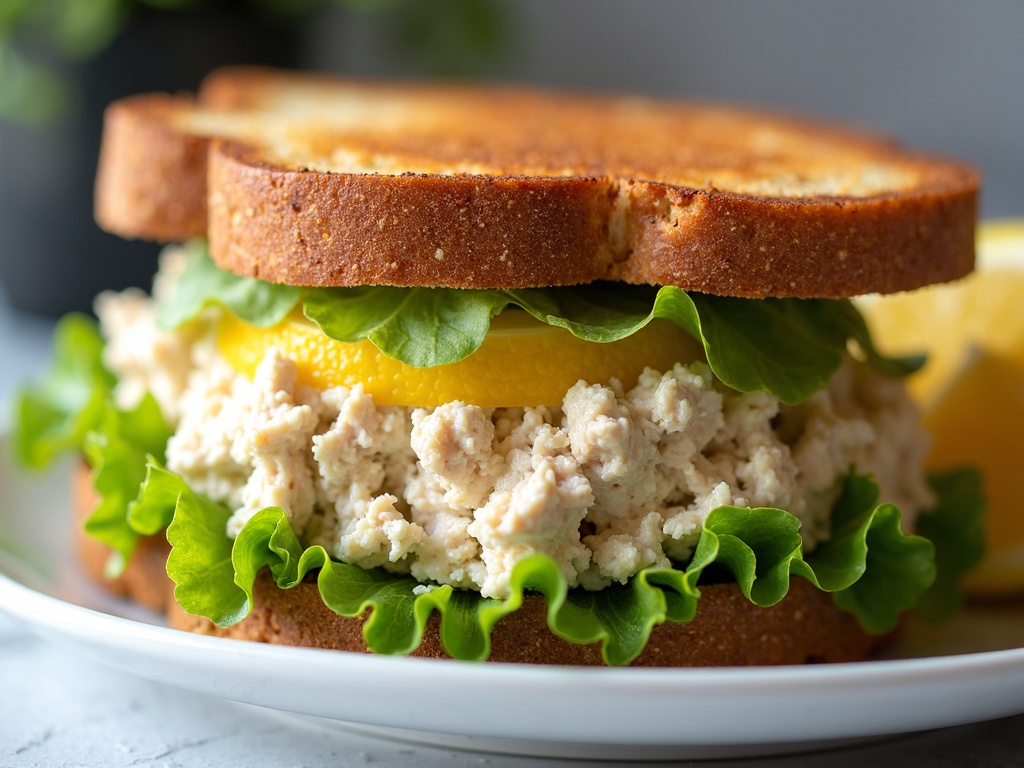
Then I let the tuna rest for a minute in its bowl. That protein rest trick helps the flavors sink into each morsel. I think of how resting a roast locks in juices. You can steal that sense of patience for even a quick sandwich
Whiff of Genius
When the pan rolls that gentle sizzle and I slip the onions in I breathe in a sweet sharp scent. Caramelization starts within seconds and the aroma drifts across the room. That is what I mean by a little heat technique making everything smell like dinner ready to go
At the same time the tuna salad bowl sends up a faint whiff of lemon and mayo a scent that hints at richness but promises freshness. I catch myself smiling because even in this small scene I get that full sensory jolt that only heat and freshness combined can deliver
Mid Cook Checkpoint
Now the bread is toasted the onions are slightly soft and the tuna is seasoned So this is the moment to gauge how all the pieces will meet. I set two slices of bread on a plate then taste a bit of onion and mayo on its own I want to see if I need more acid or salt. If the flavor feels flat I squeeze a drop of lemon and stir again
I also think about the energy I felt back when I learned slow simmer. In a pan you watch and taste until it feels just right. Even here I watch and taste until it feels balanced for the tuna sandwich I am building
Sometimes I add a dash of spice or a splash of vinegar I keep tasting until each ingredient feels like it belongs. At this stage my neighbor obsessed with heat would say to note how small temperature changes alter taste. You notice this when you fold in warm ingredients or when you stack a warm slice on a room temp filling
Then I pause to let it all settle for a few moments That little wait gives the mayo time to soak into the tuna and the bread crumb structure time to stabilize. This is another protein rest style move only applied to sandwich building
Probing the Flavors
I take a knife and cut the sandwich in half Then I lift one half close to my nose to breathe in that layered scent of toast tuna onion and lettuce. It feels like a little moment of celebration as I note the hints of caramelization and the bright pop of lemon
Next I slip a fork under the lettuce to see how cool crisp it stays when I eat. If it ever feels wilted I know I should have waited on the onion or the tuna I learn stuff with every bite
If you had a meat probe you could check temperatures in bigger cooking. Here you use simple senses to probe upon the rest time texture and aroma You sense if the sandwich sits at the perfect zone of warm and cool
Plate It Like I Mean It
I choose a simple white plate so the colors pop. I lay the sandwich halves side by side. Then I tuck a little wedge of lemon on the corner. That bit of bright yellow looks inviting and tells you to squeeze before you take a bite
For fun I scatter a few torn lettuce leaves around and maybe a sliver of onion to show what is inside. It is small stage setting but it feels right. I give a final nod to how heat transformed the textures and flavors before I pass the plate to anyone lucky enough to share this moment with me
Rescue the Leftovers
If you end up with extra tuna mixture you can stash it in a sealed container in the fridge. It will taste even better in a few hours because the flavors will mingle like a slow simmer soup. Next day you can spoon it on crackers or toss it in lettuce leaves for a quick wrap
Leftover toasted bread can be stacked and frozen. When youre ready you pop it back in the pan to crisp just like new. By recalling that Maillard browning moment you reignite that toasted depth every time
If you have a partial sandwich you can dismantle it and crisp the bread before rebuilding it with fresher lettuce or sharper acid. That little refresh trick feels like a reset point that reminds me of letting a roast rest before re warming it gently
So use these hacks to stretch every last drop of your tuna sandwich experience and to remember that heat and time shape flavors even in the simplest bite
Final Take and Common Queries
So what makes this tuna sandwich stand out Is it the way I use a quick heat flash to toast the bread Is it the patient rest I let the tuna enjoy in its dressing Maybe it is the tiny dance of caramelization and Maillard browning that happens in every corner Whatever it is I hope you feel inspired to treat a simple sandwich like an experiment in culinary science
Here are some questions that often come up as you tackle this recipe Remember to reflect on each step as you go
- Can I use tuna in oil instead of water Yes you can. Oil adds richness but you may need less mayo to balance the texture
- How long do I let the tuna rest A minute or two is enough. That gives you a taste of the protein rest idea without waiting too long
- What if I dont have a cast iron pan You can use any heavy skillet or even a non stick pan Just watch the heat so you get that golden crunch without burning
- Can I swap the mayo for yogurt Absolutely swap in Greek yogurt for tangy flavor. It will respond similarly to temperature and cling to the tuna
- How do I keep the lettuce crisp Layer the lettuce on top of the tuna instead of under it That way it sits away from moisture until the last minute
- Is it okay to make this ahead You can prep the tuna mixture in advance and keep it chilled. Toast the bread and assemble right before eating to preserve crunch
- What else can I add Try sliced avocado roasted red pepper or even a hint of mustard for variety. You can apply heat or rest principles to each addition
Every question leads to a chance to notice how heat texture and timing shape flavor. Take notes as you cook and youll start spotting patterns That is the kind of small scale culinary science you can bring into your home kitchen without fuss
Enjoy your sandwich adventures and remember that even a humble tuna sandwich can become a stage for heat and flavor experiments

Tuna Sandwich
Ingredients
Equipment
Method
- In a mixing bowl, combine the drained tuna, mayonnaise, chopped celery, chopped red onion, Dijon mustard, and lemon juice. Mix well with a fork or spoon until evenly blended.
- Season the mixture with salt and black pepper to taste. Stir again to mix.
- If desired, lightly toast the bread slices.
- Lay two slices of bread on a clean cutting board. Distribute the tuna mixture evenly over both slices.
- Place a lettuce leaf (and tomato slices, if using) on top of the tuna mixture.
- Cover with the remaining bread slices to form sandwiches.
- Slice the sandwiches in half and serve immediately.